
Easy Miso Soup Recipe- Quick Comforting Bowl
Miso Soup Recipe: a comforting embrace in a bowl, it’s the culinary equivnon-alcoholic alent of a warm hug on a chilly evening or a revitalizing whisper after a long day. This humble yet profound dish, a cornerstone of Japanese cuisine, holds a special place in my heart and, I suspect, in yours too. What is it about this seemingly simple broth that captivates us? It’s the deeply savory, umami-rich flavor profile, a complex dance of fermented soybeans that is both grounding and invigorating. Unlike many other soups, miso soup offers a lightness that never feels heavy, making it the perfect appetizer, a delightful side dish, or even a light meal on its own. We’ll dive into a straightforward Miso Soup Recipe that you can easily master at home, unlocking the secrets to that authentic, soul-warming taste.
Embark on a Culinary Journey
Discover the Magic of Miso
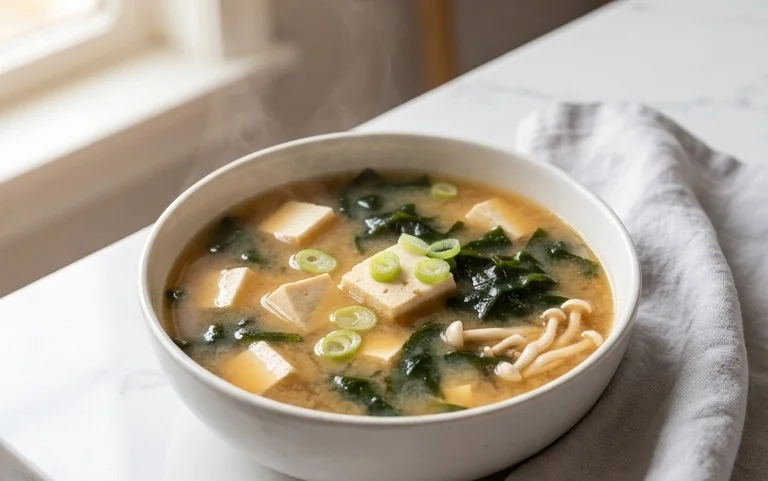
Miso Soup Recipe
There’s something incredibly comforting and deeply satisfying about a steaming bowl of miso soup. It’s a staple in Japanese cuisine, and for good reason. Its savory, umami-rich broth, coupled with delicate textures, makes it the perfect light appetizer or even a quick, nourishing meal. Forget those instant packets; making authentic miso soup at home is surprisingly simple and incredibly rewarding. The beauty of this recipe lies in its simplicity and the depth of flavor it delivers with just a few key ingredients. Today, I’m going to guide you through making a classic, delicious miso soup that will transport your taste buds straight to Japan.
Ingredients:
Cooking Instructions
This recipe is designed to be straightforward, allowing you to achieve a truly delicious result without fuss. Let’s get started on creating this comforting classic.
Preparing the Base
The foundation of any great miso soup is the dashi. Dashi is a fundamental Japanese stock that provides that signature umami flavor. While you can find instant dashi granules, I highly recommend making your own if you have a bit more time, as it truly elevates the soup. However, for this recipe, we’ll assume you’re using pre-made dashi, which is readily available in most Asian markets or even in larger grocery stores.
1. Rehydrating the Seaweed: Before we even think about heating anything, let’s get our dried seaweed ready. Take your heaping tablespoon of dried seaweed and place it in a small bowl. Add a little bit of warm water, just enough to cover it. Let it sit for about 5-10 minutes. You’ll notice it expand and soften significantly. Once rehydrated, gently squeeze out any excess water. This step is important to prevent the seaweed from absorbing too much liquid from the soup and becoming unpleasantly chewy. You can then roughly chop the rehydrated seaweed into smaller, bite-sized pieces if it’s still too large.
Simmering and Assembling
Now, we’re ready to bring our ingredients together and create that magical broth.
2. Heating the Dashi: Pour your 2½ cups of dashi into a medium saucepan. Place the saucepan over medium heat. We want to bring the dashi to a gentle simmer, not a rolling boil. A gentle simmer allows the flavors to meld beautifully without becoming harsh. As the dashi heats up, keep an eye on it. You’ll see small bubbles starting to form around the edges of the pot. This is the perfect temperature to proceed to the next step.
3. Adding the Tofu and Seaweed: Once the dashi is simmering gently, it’s time to add the other solid ingredients. Carefully add the small pieces of silken tofu to the pot. Be gentle with the silken tofu as it is delicate and can break apart easily. Then, add your prepared, rehydrated seaweed to the simmering dashi. Stir everything gently to distribute the ingredients evenly throughout the broth. Let this mixture simmer for another 2-3 minutes. This short simmering time allows the tofu to warm through and the seaweed to infuse its subtle oceanic flavor into the dashi.
Incorporating the Miso
This is perhaps the most crucial step in making authentic miso soup. The way you add the miso paste can greatly affect the final flavor and texture of your soup.
4. Dissolving the Miso Paste: This is where the magic happens! Do not boil the soup after adding the miso paste. Boiling miso can destroy its delicate flavor and beneficial probiotics. Instead, reduce the heat to low, or even turn it off temporarily. Take your 2-2½ tablespoons of miso paste and place it in a small bowl or directly into the pot. Add a ladleful of the warm dashi from the pot to the miso paste. Using a whisk or a spoon, vigorously stir the miso paste with the dashi until it is completely smooth and there are no lumps. This process, known as “tempering,” ensures the miso dissolves evenly into the soup and prevents it from clumping. Add more dashi from the pot if needed to achieve a smooth consistency.
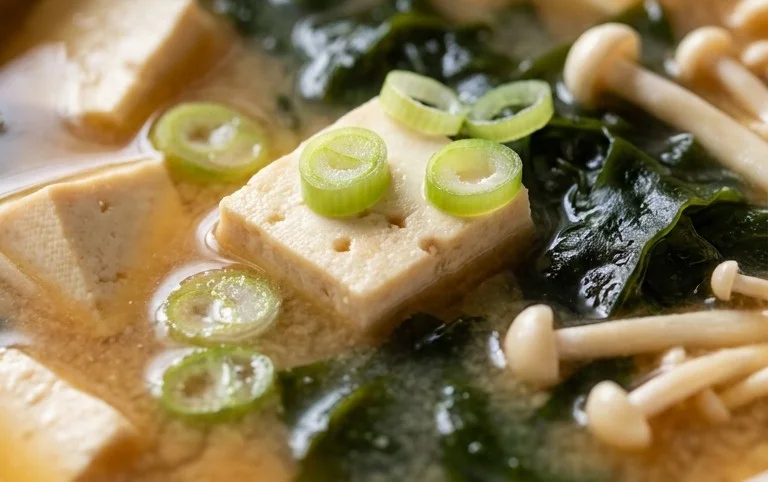
5. Finishing and Serving: Once the miso paste is fully dissolved and smooth, gently pour the miso mixture back into the saucepan with the rest of the dashi, tofu, and seaweed. Stir everything gently to combine. Heat the soup on the lowest possible setting for just another minute or two, ensuring it is warmed through but never allowed to boil. You should see a light froth forming on the surface – this is a good sign. Taste the soup and adjust the miso paste if necessary. If you prefer a stronger miso flavor, you can whisk in a little more miso paste dissolved in a bit of dashi. Ladle the hot miso soup into individual bowls. Garnish generously with the chopped scallions for a fresh, aromatic finish. Serve immediately and savor the comforting warmth and exquisite taste of your homemade miso soup. Enjoy this simple yet profound dish!
Conclusion:
And there you have it! This simple yet incredibly rewarding miso soup recipe is your gateway to a comforting and flavorful culinary experience. Its beauty lies in its versatility and speed – a delicious bowl of goodness ready in minutes, perfect for any time of day. Whether you’re looking for a light starter, a healthy lunch option, or a soothing end to your evening, this miso soup delivers. Don’t hesitate to experiment with the ingredients to make it your own. The possibilities are truly endless!
For serving, this miso soup is fantastic on its own, but it also shines when paired with grilled fish, rice bowls, or even as a companion to sushi. Feel free to add a drizzle of sesame oil or a sprinkle of toasted sesame seeds for an extra layer of aroma and flavor. For variations, consider adding thinly sliced mushrooms like shiitake, some edamame for a pop of color and protein, or even a handful of spinach wilted in at the last moment. Get creative and enjoy the process!
Frequently Asked Questions:
Can I make miso soup ahead of time?
While it’s best enjoyed fresh, you can prepare the dashi broth ahead of time and store it in the refrigerator for up to 3 days. When you’re ready to serve, gently reheat the broth and dissolve the miso paste just before serving to preserve its delicate flavor and beneficial properties.
What kind of miso paste should I use?
There are several types of miso paste, each offering a unique flavor profile. Red miso is robust and savory, white miso is sweet and mild, and yellow miso is a good in-between. Experimenting with different types will allow you to discover your personal favorite for this miso soup recipe.
Are there any vegetarian or vegan options for this recipe?
Absolutely! To make this recipe vegetarian or vegan, ensure your dashi broth is made using kombu (kelp) and dried shiitake mushrooms instead of bonito flakes. Many miso pastes are naturally vegan, so just check the ingredients to be sure!
Miso Soup Recipe
A simple and authentic recipe for classic Japanese Miso Soup.
Ingredients
-
2½ cups Dashi
-
1 heaping tablespoon dried seaweed
-
4 oz silken tofu (cut into small pieces)
-
2-2½ tablespoons white miso paste (or to taste)
-
1 tablespoon scallion (chopped)
Instructions
-
Step 1
In a medium saucepan, bring the Dashi to a simmer over medium heat. -
Step 2
Add the dried seaweed to the simmering Dashi and let it rehydrate for about 2-3 minutes. -
Step 3
Gently add the silken tofu pieces to the pot. Do not stir vigorously to avoid breaking the tofu. -
Step 4
In a small bowl, whisk the miso paste with a ladleful of the hot Dashi until smooth. This prevents clumps. -
Step 5
Stir the dissolved miso paste mixture into the soup. Heat gently, but do not boil, as boiling can diminish the miso’s flavor and aroma. -
Step 6
Ladle the miso soup into serving bowls and garnish with chopped scallions.
Important Information
Nutrition Facts (Per Serving)
It is important to consider this information as approximate and not to use it as definitive health advice.
Allergy Information
Please check ingredients for potential allergens and consult a health professional if in doubt.