Perfect Ramen Eggs Ajitama Recipe
Ramen eggs, also known as ajitama, are more than just a topping; they are a revelation. For anyone who has slurped down a steaming bowl of ramen, you know the magic that a perfectly prepared ramen egg brings. It’s that moment when you bite into that impossibly tender, jammy yolk, coated in a deeply savory, umami-rich marinade, that truly elevates the entire experience. It’s the little details, the extra touch of care, that make all the difference. People adore ramen eggs because they offer an explosion of flavor and texture in every bite, a perfect counterpoint to the rich broth and chewy noodles. What makes these marinated marvels so special is their alchemy: simple ingredients transform into something truly sublime, a testament to patience and flavor infusion. Let’s dive into how you can achieve ramen egg perfection right in your own kitchen.
Ramen Eggs (Ajitama)
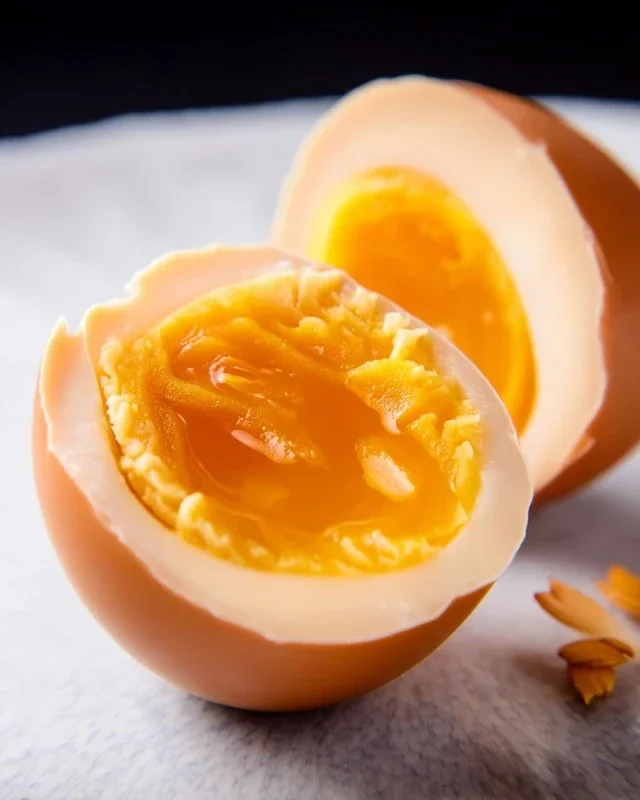
There’s something truly magical about the ramen egg. That perfectly jammy, custardy yolk, infused with a savory, slightly sweet marinade – it’s the crown jewel of any bowl of ramen. Making ajitama, as they’re known in Japanese, at home is surprisingly straightforward, and once you try them, you’ll wonder why you ever settled for plain old hard-boiled eggs in your noodle soup. These aren’t just an ingredient; they’re an experience. The rich, umami-packed flavor of the marinade seeps into the egg white, creating a delightful contrast with the creamy yolk. They’re also fantastic on their own as a snack or added to other dishes like fried rice or salads. Let’s dive into how to make these little spheres of deliciousness.
Ingredients:
*Note: For the best results, use eggs that are about 5-7 days old. Fresher eggs can be more difficult to peel cleanly after boiling.
Cooking Instructions
Step 1: Perfecting the Boiled Egg
The first crucial step is to achieve that perfect jammy yolk. I like to bring my eggs to room temperature for about 30 minutes before boiling. This helps prevent cracking. I then carefully place the eggs in a saucepan and cover them with cold water by about an inch. For easier peeling, you can add a splash of vinegar to the water; this helps the egg whites coagulate faster if a crack does occur. Bring the water to a rolling boil over high heat. As soon as it starts boiling vigorously, immediately turn off the heat, cover the pot tightly with a lid, and let the eggs sit in the hot water for exactly 7 minutes. This timing is key for a soft, jammy yolk. Some people prefer slightly firmer yolks and will boil for 8-9 minutes, but for that quintessential ramen egg, 7 minutes is my sweet spot.
Step 2: The Ice Bath Shock
Once the 7 minutes are up, it’s time for the eggs to take a plunge. Prepare a large bowl filled with ice and cold water. As soon as the timer goes off, carefully transfer the eggs from the hot water directly into the ice bath. This drastic temperature change, known as an ice bath, does two vital things: it stops the cooking process immediately, preventing the yolk from hardening further, and it also helps the membrane separate from the egg white, making peeling much, much easier. Let the eggs chill in the ice bath for at least 10-15 minutes, or until they are completely cool to the touch. Don’t rush this step; a well-chilled egg is a happy egg when it comes to peeling.
Step 3: Peeling with Care
Now comes the moment of truth: peeling. Gently tap each egg on a hard surface to create small cracks all over the shell. Then, starting from the wider end (where the air pocket usually is), carefully begin extract to peel. It’s often helpful to do this under running cold water, as the water can get under the membrane and help loosen the shell. Be patient and work slowly. If you encounter a stubborn spot, just go back to gently tapping and peeling. The goal is to remove the shell without damagin extractg the delicate egg white. Set aside your perfectly peeled, jammy-centered eggs. They will look beautiful even at this stage!
Step 4: Crafting the Marinade
While your eggs are chilling or being peeled, it’s time to prepare the flavor-packed marinade. In a small saucepan, combine the ½ cup of light sodium soy sauce, ¼ cup of water, ¼ cup of non-non-non-alcoholic alternativeic non-alcoholic mirin, and 2 tablespoons of granulated sugar. Place the saucepan over medium heat. Stir the mixture gently and continuously until the sugar is completely dissolved. You don’t want the marinade to boil vigorously; a gentle simmer is all that’s needed to meld the flavors and ensure the sugar is fully incorporated. Once the sugar has dissolved and the mixture is fragrant, remove it from the heat and let it cool slightly. This marinade is the heart and soul of your ajitama, providing that irresistible savory and slightly sweet depth.
Step 5: The Marination Magic
This is where the flavor really infuses into the eggs. You’ll need an airtight container or a resealable plastic bag. Once the marinade has cooled down to at least room temperature (you don’t want to cook the eggs further with hot marinade), carefully place your peeled, jammy eggs into the container. Pour the cooled marinade over the eggs, ensuring they are fully submerged. If your container is too large, you might need to add a little more soy sauce and water mixture to cover them completely. For optimal results, I like to place a piece of paper towel or a small piece of parchment paper directly on top of the eggs to keep them submerged in the marinade. Seal the container and refrigerate.
Step 6: Patience is a Virtue (for Flavor!)
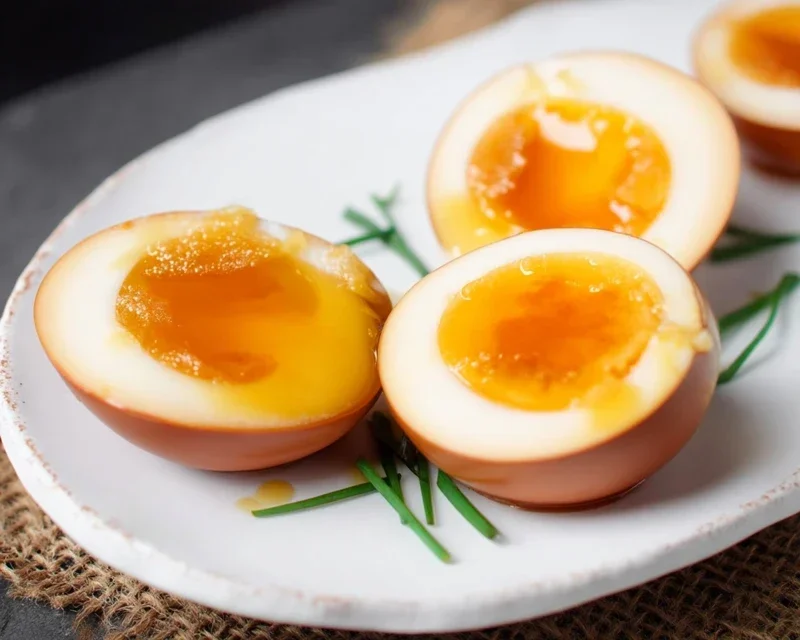
The hardest part is waiting! For the best flavor penetration, you’ll want to marinate your ramen eggs for at least 4 hours, but ideally, overnight or even for up to 2 days. The longer they marinate, the more intensely flavored they will become. I usually marinate mine overnight. When you’re ready to use them, carefully remove the eggs from the marinade. You can gently rinse them under cold water if you want to remove any excess marinade clingin extractg to the outside, though I personally enjoy the extra flavor. Slice them in half lengthwise to reveal that glorious, molten yolk and admire your handiwork. These ramen eggs are now ready to elevate your favorite ramen bowls to a whole new level! Enjoy the deliciousness!
Conclusion:
There you have it! Making perfect ramen eggs, or ajitama, is surprisingly straightforward and opens up a whole new world of deliciousness for your noodle bowls. This recipe is fantastic because it transforms a simple ingredient into something truly special with minimal effort. The rich, jammy yolk and savory, marinated white create an explosion of flavor that elevates any ramen from good to unforgettable.
Beyond ramen, these versatile eggs are wonderful additions to poke bowls, rice dishes, or even just enjoyed on their own as a protein-packed snack. Feel free to experiment with the marinade! A splash of non-alcoholic mirin for sweetness, a pinch of chili flakes for a kick, or even some toasted sesame oil can add unique twists. I truly encourage you to give this ramen egg recipe a try; the results are incredibly rewarding and sure to impress!
Frequently Asked Questions:
How long do ramen eggs last in the refrigerator?
Properly stored in their marinade, ramen eggs will keep in the refrigerator for up to 3-4 days. It’s best to consume them within this timeframe for optimal flavor and texture.
Can I use soy sauce that is lower in sodium?
Absolutely! You can definitely substitute low-sodium soy sauce if you prefer. You might want to adjust the amount of other salty ingredients, like the dashi, slightly to compensate, but it will still yield delicious results.
What’s the best way to peel the eggs without breaking them?
The key to easy peeling is to start with eggs that are a few days old, not super fresh. Immediately after boiling, plunge them into an ice bath. Once thoroughly chilled, gently tap the wider end of the egg on a hard surface, then roll it to create fine cracks all over. You can then peel them under cool running water, which helps lift the shell.
Ramen Eggs (Ajitama)
Soft-boiled eggs marinated in a savory soy-based mixture, perfect for topping ramen or enjoying as a snack.
Ingredients
-
6 large eggs
-
½ cup soy sauce (light sodium)
-
¼ cup water
-
¼ cup non-alcoholic mirin
-
2 tablespoons granulated sugar
Instructions
-
Step 1
Gently place eggs in a saucepan and cover with cold water. Add a splash of vinegar if desired to help prevent cracking. -
Step 2
Bring water to a rolling boil over medium-high heat. Once boiling, immediately reduce heat to a simmer and cook for 6-7 minutes for a jammy yolk. -
Step 3
While eggs are cooking, prepare an ice bath. Once cooked, immediately transfer eggs to the ice bath to stop the cooking process. -
Step 4
In a small bowl, whisk together soy sauce, water, non-alcoholic mirin, and granulated sugar until the sugar is dissolved. -
Step 5
Once eggs are cool enough to handle, carefully peel them. Place peeled eggs in a resealable bag or container. -
Step 6
Pour the marinade over the peeled eggs, ensuring they are fully submerged. Seal the bag/container and refrigerate for at least 4 hours, or preferably overnight, flipping halfway through.
Important Information
Nutrition Facts (Per Serving)
It is important to consider this information as approximate and not to use it as definitive health advice.
Allergy Information
Please check ingredients for potential allergens and consult a health professional if in doubt.