Juicy Ricotta Meatballs – Easy Delicious Recipe
Ricotta meatballs are a true revelation in comfort food, and I’m so excited to share my absolute favorite recipe with you today. Forget everything you thought you knew about dense, dry meatballs! The secret ingredient here, the creamy, dreamy ricotta, transforms the entire experience. These aren’t just any meatballs; they’re cloud-like pillows of savory goodness, incredibly tender and bursting with flavor. People adore them because they’re so versatile – perfect for a weeknight pasta dinner, piled high on a sandwich, or even as a delightful appetizer. What truly sets these ricotta meatballs apart is their unparalleled moistness and delicate texture, a far cry from the usual fare. Get ready to impress yourself and everyone you share them with!
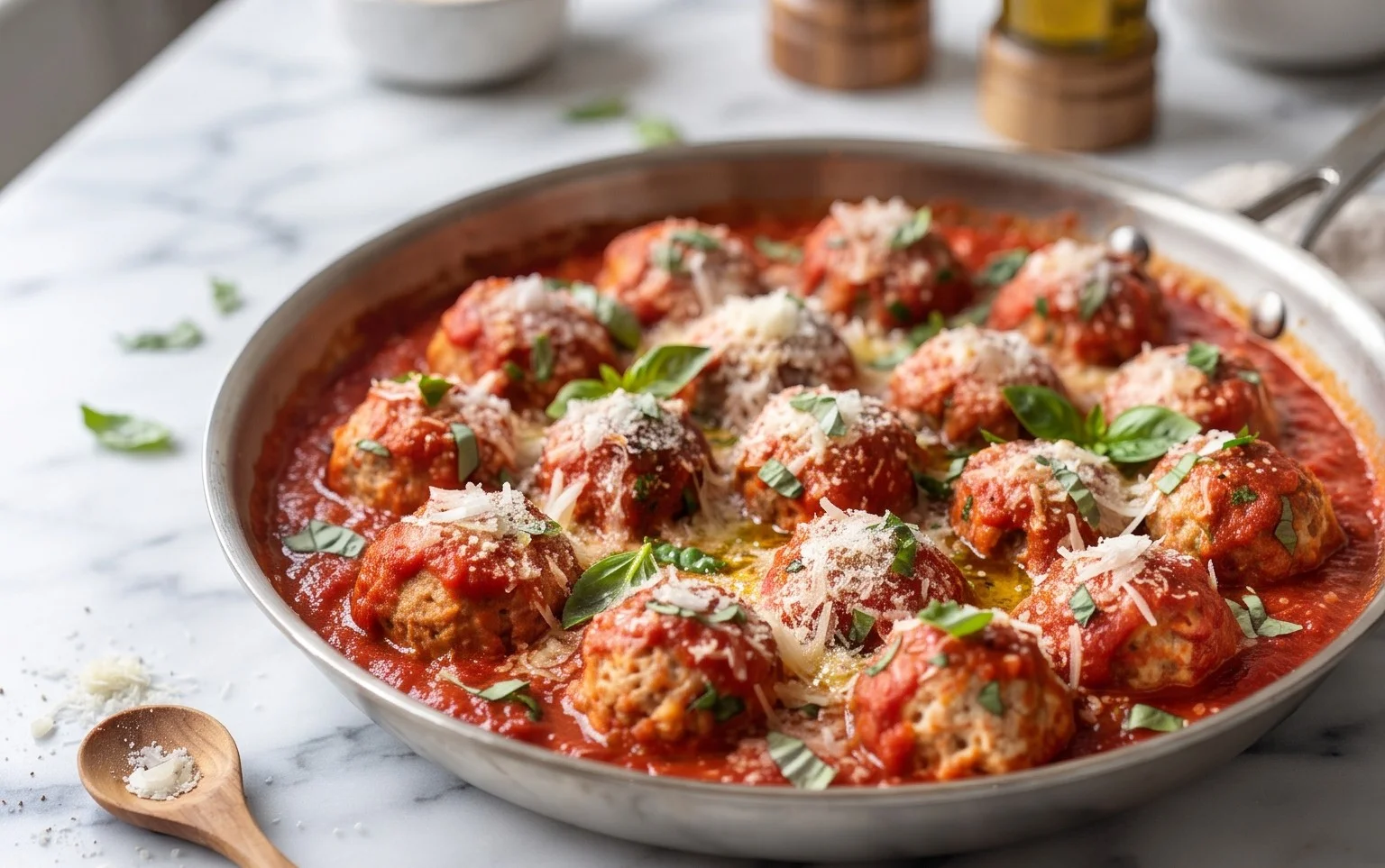
Ricotta Meatballs
There’s something undeniably comforting about a plate of perfectly tender, flavorful meatballs. While traditional recipes often rely on milk or breadcrum extractbs soaked in milk to achieve tenderness, my secret weapon for the ultimate soft and juicy meatballs is ricotta cheese. The creamy, mild ricotta not only adds an incredible richness and moisture but also helps bind the meatballs beautifully, preventing them from drying out. These ricotta meatballs are surprisingly easy to make and are a guaranteed crowd-pleaser, whether served over spaghetti, as an appetizer with toothpicks, or even tucked into a meatball sub. Get ready to elevate your meatball game with this simple yet sensational recipe.
Ingredients:
Getting Started: The Meatball Mixture
The first step to incredible ricotta meatballs is creating the perfect base. In a large mixing bowl, combine your 1 lb. of 80% lean ground chuck. Don’t be tempted to go for a super lean meat; the fat is essential for flavor and juiciness. Next, add the star of the show: 15 oz. of whole milk ricotta cheese. This is where the magic happens. The ricotta will keep the meatballs incredibly moist and tender.
To this base, we’ll add our flavor enhancers. Finely dice one yellow onion. The smaller you dice it, the better it will integrate into the meatballs without leaving large, noticeable chunks. Mince 3 cloves of fresh garlic. Fresh garlic offers a punchier flavor than garlic powder, but if you’re in a pinch, you can use about ½ teaspoon of garlic powder. Now, crack in one large egg. Whisk it lightly before adding it to the bowl. The egg acts as a binder, holding all our delicious ingredients together.
For creaminess and to ensure everything is well-moistened, add ½ cup of half and half. If you prefer an even richer meatball, feel free to use heavy cream instead. Next, add ½ cup of Italian breadcrum extractbs. These will help absorb some of the moisture and give the meatballs structure. Follow this with ½ cup of grated Parmesan cheese. The salty, nutty flavor of Parmesan is crucial for depth.
Now for the herbs and seasonings. Finely chop 1/3 cup of fresh parsley. The fresh parsley adds a bright, herbaceous note that cuts through the richness. Then, sprinkle in 1 teaspoon each of Italian seasoning, mustard powder, and salt. The mustard powder might seem unusual, but it adds a subtle tang that complements the meat beautifully. Finish with ½ teaspoon of freshly ground black pepper. Gently mix all these ingredients together until just combined. Be careful not to overmix, as this can lead to tough meatballs. The mixture should be moist but hold its shape when you scoop it.
Forming and Searing the Meatballs
Once your meatball mixture is ready, it’s time to form the meatballs. I like to use a cookie scoop or a tablespoon to portion out the mixture. This ensures uniform size, which means they’ll cook evenly. Roll each portion gently between your palms to form a neat ball. They don’t need to be perfectly round; a slightly rustic shape is charming.
Now, let’s get some color and flavor development. Heat about 2 tablespoons of olive oil in a large skillet or Dutch oven over medium-high heat. You want the oil to be shimmering but not smoking. Carefully add your formed meatballs to the hot skillet, making sure not to overcrowd the pan. You may need to work in batches. Sear the meatballs for about 2-3 minutes per side, until they are nicely browned on all sides. This searing step is crucial for developing a flavorful crust and locking in the juices. Don’t worry about cooking them all the way through at this stage; they will finish cooking in the sauce.
Simmering to Perfection
After searing all your meatballs, remove them from the skillet and set them aside. If there’s any excess oil in the skillet, you can pour off most of it, leaving just a thin coating. Now, it’s time to introduce the sauce. Pour your 32 oz. of marinara sauce into the same skillet. If you have any fond (browned bits) stuck to the bottom of the pan from searing the meatballs, the marinara sauce will help to deglaze the pan, incorporating all that delicious flavor into the sauce.
Gently place the seared meatballs back into the marinara sauce. Make sure they are mostly submerged. Bring the sauce to a gentle simmer. Once simmering, reduce the heat to low, cover the skillet, and let the meatballs cook for at least 20-30 minutes. This simmering time is essential for allowing the meatballs to cook through completely and to absorb the flavors of the marinara sauce. The longer they simmer (within reason), the more tender and flavorful they will become. Stir gently occasionally to prevent sticking.
Final Touches and Serving
As the meatballs are simmering away, their aroma will fill your kitchen, promising a delicious meal. After about 20-30 minutes, check a meatball for doneness. It should be firm to the touch and cooked through. If you’re unsure, you can cut one in half to ensure there’s no pink inside.
Before serving, stir in the remaining ¼ cup of olive oil. This might seem like a lot, but it helps to create a glossy, rich sauce. Stir in the 1 teaspoon of minced garlic and the 1 teaspoon each of dried basil, oregano, and parsley. Let this simmer for another 5 minutes to allow the flavors to meld.
To serve, ladle the ricotta meatballs and plenty of sauce over your favorite pasta, such as spaghetti or rigatoni. Garnish with additional fresh parsley and a sprinkle of extra Parmesan cheese. These ricotta meatballs are also fantastic served with crusty bread for dipping, piled high on a hoagie roll for a hearty meatball sandwich, or even as a delicious appetizer. Enjoy every tender, flavorful bite!
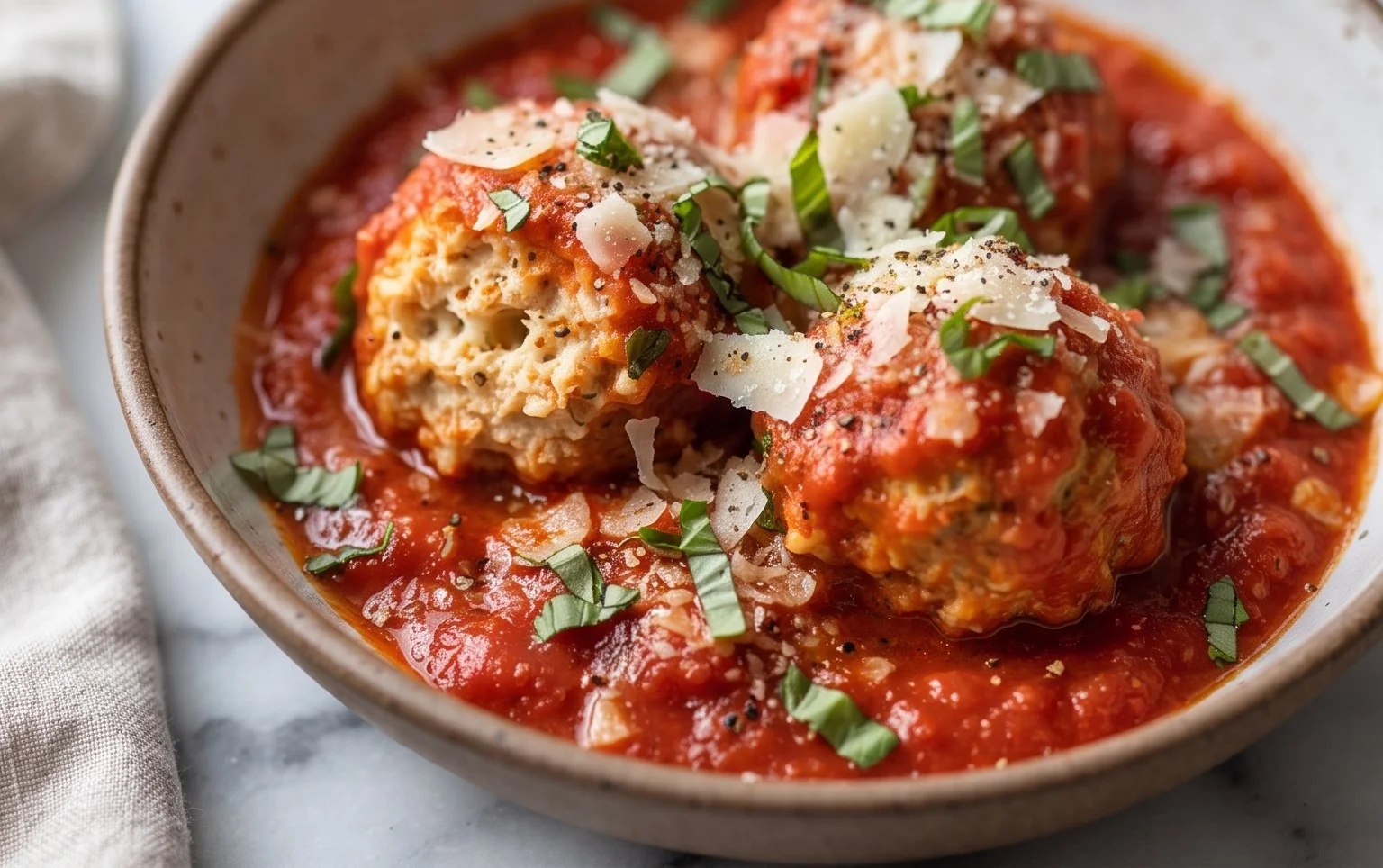
Conclusion:
There you have it! My foolproof recipe for incredibly tender and flavorful ricotta meatballs. The secret ingredient, ricotta cheese, not only keeps these meatballs wonderfully moist but also adds a subtle creaminess that elevates them beyond your average meatball. They are perfect for a quick weeknight dinner or a comforting Sunday supper, and I’m confident you’ll find them a delicious addition to your culinary repertoire. Don’t be afraid to get your hands a little messy – it’s all part of the fun!
These ricotta meatballs are incredibly versatile. Serve them swimming in your favorite marinara sauce over a bed of spaghetti, nestled in a crusty Italian roll for a hearty meatball sub, or even as a delightful appetizer alongside a charcuterie board. For a twist, try adding a pinch of nutmeg for an extra layer of warmth, or incorporate finely chopped spinach into the mixture for added color and nutrients. I truly encourage you to give this recipe a try; I’m so excited for you to experience how truly amazing these ricotta meatballs are!
Frequently Asked Questions:
Can I make these ricotta meatballs ahead of time?
Absolutely! You can prepare the meatball mixture and roll them into balls a day in advance. Store them covered in the refrigerator. You can either pan-fry or bake them directly from the fridge. If you plan to freeze them, freeze them raw on a baking sheet until solid, then transfer to a freezer-safe bag for up to 2-3 months. Thaw in the refrigerator overnight before cooking.
What kind of ricotta cheese should I use?
Whole milk ricotta cheese will yield the most flavorful and moist results. You can use part-skim, but the texture might be slightly less rich. Be sure to drain any excess liquid from the ricotta before adding it to the meat mixture for the best consistency.
Can I bake these instead of frying them?
Yes, baking is a fantastic alternative to pan-frying, especially if you’re making a large batch. Simply arrange the rolled meatballs on a baking sheet lined with parchment paper and bake in a preheated oven at 400°F (200°C) for 20-25 minutes, or until cooked through and nicely browned, flipping them halfway through.
Ricotta Meatballs
Tender and flavorful meatballs made with ricotta cheese, perfect for simmering in marinara sauce.
Ingredients
-
1 lb. ground chuck (80% lean)
-
15 oz. Ricotta cheese
-
1 Egg (whisked)
-
½ cup Italian breadcrumbs
-
½ cup Parmesan cheese
-
1 yellow onion (finely diced)
-
3 cloves garlic (minced)
-
1 teaspoon EACH: dried basil, oregano, parsley
-
1 teaspoon Italian seasoning
-
1 teaspoon salt
-
½ teaspoon Pepper
-
32 oz. marinara sauce
-
½ cup olive oil (divided)
-
⅓ cup roughly chopped parsley (plus more to garnish)
Instructions
-
Step 1
In a large bowl, combine the ground chuck, ricotta cheese, whisked egg, Italian breadcrumbs, Parmesan cheese, finely diced yellow onion, minced garlic, dried basil, oregano, parsley, Italian seasoning, salt, and pepper. Mix gently until just combined, being careful not to overmix. -
Step 2
Roll the mixture into meatballs, about 1.5 inches in diameter. -
Step 3
Heat 2 tablespoons of olive oil in a large skillet over medium-high heat. -
Step 4
Brown the meatballs in batches, turning to sear all sides. Remove browned meatballs and set aside. -
Step 5
Add the marinara sauce to the same skillet. Bring to a simmer. -
Step 6
Return the browned meatballs to the skillet with the marinara sauce. Reduce heat to low, cover, and simmer for at least 20-30 minutes, or until the meatballs are cooked through. -
Step 7
Stir in the remaining olive oil and chopped parsley. Garnish with additional parsley before serving.
Important Information
Nutrition Facts (Per Serving)
It is important to consider this information as approximate and not to use it as definitive health advice.
Allergy Information
Please check ingredients for potential allergens and consult a health professional if in doubt.