Easy Pasta Primavera Recipe – Fresh Veggie Delight
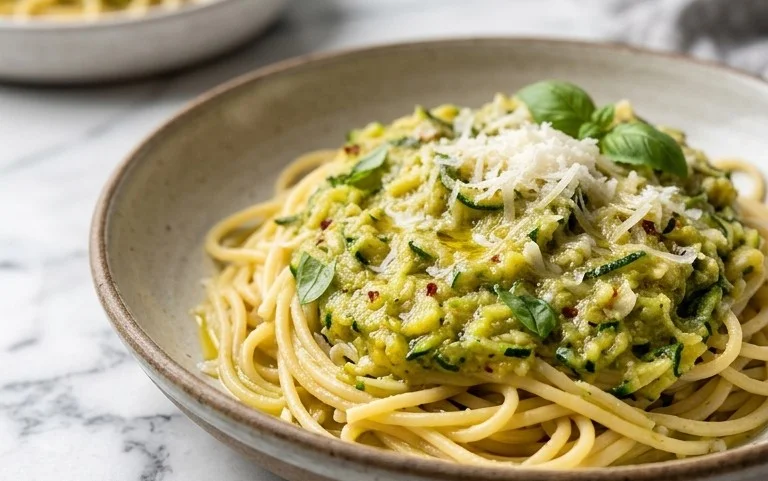
Pasta Primavera is more than just a meal; it’s a vibrant celebration of spring on a plate. On those days when the world feels a little brighter and a craving for something fresh and nourishing strikes, this dish always answers the call. What is it about Pasta Primavera that makes it such a universally beloved classic? It’s the delightful dance of textures and flavors – the al dente pasta providing a satisfying bite, perfectly complemented by the tender-crisp symphony of seasonal vegetables. Each forkful is a burst of color and taste, from sweet peas and tender asparagus to juicy cherry tomatoes and aromatic herbs. It’s this beautiful simplicity, the way humble ingredients come together to create something truly spectacular, that has cemented Pasta Primavera in our hearts and kitchens. It’s light enough for a warm evening yet hearty enough to satisfy, making it an absolute go-to for any occasion.
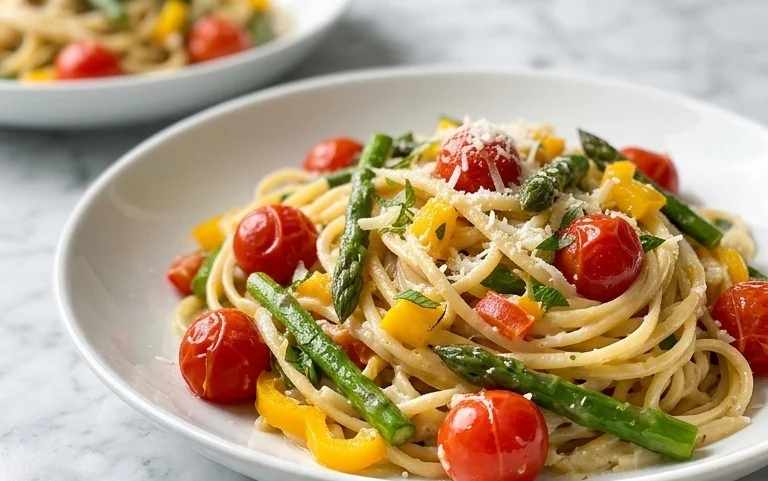
Pasta Primavera: A Vibrant Celebration of Spring Vegetables
There’s something truly magical about Pasta Primavera. It’s a dish that bursts with color, freshness, and the very essence of spring. Imagin extracte tender pasta tossed with a symphony of crisp, vibrant vegetables, all coated in a light, zesty sauce. It’s a weeknight savior that feels elegant enough for guests, and it’s surprisingly easy to make. I love how this recipe celebrates seasonal produce, transforming simple ingredients into a delicious and satisfying meal. The beauty of Pasta Primavera lies in its adaptability; feel free to swap in your favorite spring vegetables!
Ingredients:
Cooking Instructions:
Let’s get started on this delightful dish! The key to a successful Pasta Primavera is to have all your vegetables prepped and ready to go before you begin extract cooking, as the process moves quite quickly once the pasta is in the water. This also ensures everything cooks evenly and retains its delightful crunch.
1. Prepare the Pasta and Vegetables
First, bring a large pot of generously salted water to a rolling boil. We want it seasoned well, like the sea! Add your 10 oz. of Barilla Penne Pasta and cook according to package directions until al dente. While the pasta is cooking, this is the perfect time to prep all your beautiful vegetables. Ensure your red onion is thinly sliced, your carrot is peeled and cut into delicate matchsticks, and your broccoli florets are similarly sized for even cooking. Slice your red bell pepper into matchsticks too, and then prepare your yellow squash and zucchini by slicing them into quarter portions, then into bite-sized pieces. Mince your garlic cloves, and halve your grape tomatoes. Having everything prepped and within easy reach will make the cooking process smooth and enjoyable.
2. Sauté the Aromatics and Heartier Vegetables
Once your pasta water is boiling and your vegetables are prepped, it’s time to get cooking. In a large skillet or sauté pan, heat 1/4 cup of olive oil over medium-high heat. Add the sliced red onion and cook for about 2-3 minutes until it starts to soften and become fragrant. Next, add the carrot matchsticks and broccoli florets to the skillet. Stir and cook for another 4-5 minutes. These are slightly heartier vegetables, so they need a bit more time to tenderize while still maintaining a pleasant crispness. You’ll notice the broccoli starting to turn a vibrant green.
3. Add the Softer Vegetables and Garlic
Now, it’s time to introduce the remaining vegetables to the pan. Add the red bell pepper matchsticks, the quartered yellow squash, and zucchini to the skillet. Stir everything together and continue to cook for another 3-4 minutes. You want these vegetables to be tender-crisp, not mushy. The goal is to retain their bright colors and satisfying bite. Finally, add your minced garlic cloves to the skillet. Cook for just about 1 minute more, stirring constantly, until the garlic is fragrant. Be careful not to burn the garlic, as this will impart a bitter flavor.
4. Introduce Tomatoes, Seasoning, and Pasta Water
Just as the garlic becomes fragrant, add the halved grape tomatoes to the skillet. They will start to soften and release some of their sweet juices, creating a beautiful base for the sauce. Sprinkle in the 2 tsp of dried Italian seasoning and a pinch of salt and pepper to taste. Stir everything to combine. By now, your pasta should be cooked to al dente. Before you drain it, reserve about 1/2 cup of the starchy pasta water. This water is liquid gold! It helps to emulsify the sauce, making it wonderfully creamy without the need for heavy cream. Drain the pasta and immediately add it to the skillet with the vegetables.
5. Finish the Dish with Lemon, Parmesan, and Pasta Water
Toss the drained penne pasta with the sautéed vegetables. Pour in the reserved 1/2 cup of pasta water and squeeze in 2 Tbsp of fresh lemon juice. The lemon juice adds a bright, zesty counterpoint to the richness of the vegetables and the parmesan. Stir vigorously to combine everything. The pasta water, lemon juice, and olive oil will emulsify, creating a light, glossy sauce that coats every piece of pasta and vegetable. Finally, sprinkle in about half of your shredded parmesan (1/4 cup) and toss again until it’s melted and well incorporated. Taste and adjust seasoning if needed.
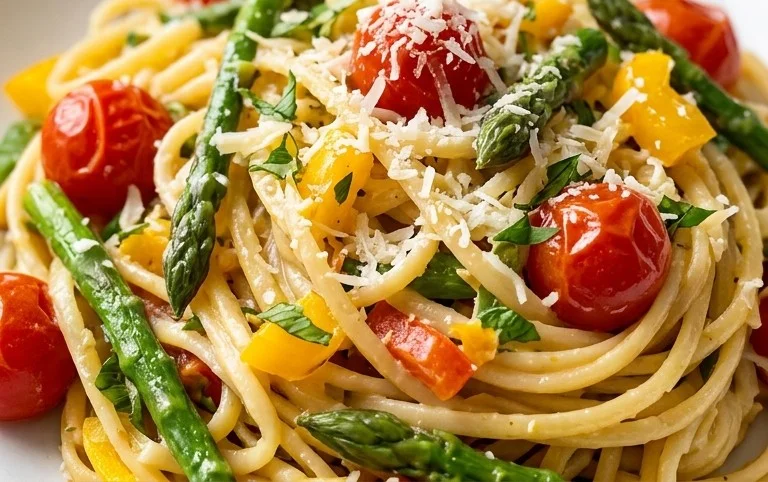
Serve your vibrant Pasta Primavera immediately, garnished with the remaining shredded parmesan cheese. This dish is a celebration on a plate, offering a delightful balance of textures and flavors. Enjoy every colorful, delicious bite!
Conclusion:
I hope you’re as excited as I am about this delightful Pasta Primavera recipe! This dish truly embodies the spirit of fresh, vibrant flavors, making it a perfect choice for a light yet satisfying meal. Its versatility is one of its greatest strengths, easily adapting to whatever seasonal produce you have on hand. Whether you’re a seasoned chef or just starting out in the kitchen, this recipe is wonderfully approachable and rewarding.
For serving, I love to pair Pasta Primavera with a crisp white grape juice and a simple side salad dressed with a lemon vinaigrette. It’s also fantastic on its own as a complete and balanced meal. Don’t be afraid to experiment with variations! Swap out the pasta shape, add grilled chicken or shrimp for extra protein, or toss in some toasted pine nuts for a delightful crunch. The key is to embrace the freshness and make it your own.
I truly encourage you to give this Pasta Primavera a try. It’s a celebration of spring and summer in a bowl, and I’m confident it will become a favorite in your recipe rotation.
Frequently Asked Questions:
Can I make this recipe ahead of time?
While it’s best enjoyed fresh to preserve the crispness of the vegetables, you can prepare the sauce and cook the pasta separately. Reheat the sauce gently and then toss with freshly cooked pasta just before serving for optimal texture.
What vegetables work best in Pasta Primavera?
The beauty of this dish is its adaptability! Beyond the classic primavera mix of asparagus, peas, zucchini, and bell peppers, consider adding cherry tomatoes, broccoli florets, snap peas, or even thinly sliced carrots. The goal is a colorful and varied medley of seasonal goodness.
How can I make this Pasta Primavera recipe vegan?
Simply omit the Parmesan cheese. You can achieve a similar savory depth by adding a tablespoon of nutritional yeast to the sauce, or by stirring in some toasted breadcrum extractbs with a hint of garlic for texture and flavor.
Pasta Primavera
A vibrant and flavorful pasta dish featuring a medley of fresh spring vegetables.
Ingredients
-
10 oz. dry Barilla Penne Pasta
-
Salt
-
1/4 cup olive oil
-
1/2 medium red onion, sliced
-
1 large carrot, peeled and sliced into matchsticks
-
2 cups broccoli florets, cut into matchsticks
-
1 medium red bell pepper, sliced into matchsticks
-
1 medium yellow squash, sliced into quarter portions
-
1 medium zucchini, sliced into quarter portions
-
3 – 4 cloves garlic cloves, minced
-
1 cup (heaping) grape tomatoes, halved through the length
-
2 tsp dried Italian seasoning
-
1/2 cup pasta water
-
2 Tbsp fresh lemon juice
-
1/2 cup shredded parmesan, divided
Instructions
-
Step 1
Cook the pasta according to package directions in salted water. Reserve 1/2 cup of pasta water before draining. -
Step 2
While the pasta cooks, heat olive oil in a large skillet over medium heat. Add the red onion and carrots and cook until slightly softened, about 3-4 minutes. -
Step 3
Add the broccoli florets, red bell pepper, yellow squash, and zucchini to the skillet. Cook for another 5-7 minutes, until the vegetables are tender-crisp. -
Step 4
Stir in the minced garlic and dried Italian seasoning and cook for 1 minute until fragrant. -
Step 5
Add the halved grape tomatoes to the skillet and cook for 1-2 minutes until they begin to soften. -
Step 6
Add the cooked pasta, reserved pasta water, and lemon juice to the skillet with the vegetables. Toss to combine. -
Step 7
Stir in half of the shredded parmesan cheese. Season with salt to taste. Serve immediately, garnished with the remaining parmesan cheese.
Important Information
Nutrition Facts (Per Serving)
It is important to consider this information as approximate and not to use it as definitive health advice.
Allergy Information
Please check ingredients for potential allergens and consult a health professional if in doubt.