Easy Homemade Bread Recipe- Perfect Loaf Every Time
Homemade bread is more than just a delicious staple; it’s an experience that fills your home with an unparalleled aroma and your heart with a sense of accomplishment. There’s a primal satisfaction in transforming simple ingredients like flour, water, yeast, and salt into a warm, crusty loaf that begs to be slathered with butter. We all love it because it evokes feelings of comfort, tradition, and love, often connecting us to childhood memories or the simple joy of sharing a meal. What truly makes homemade bread special is the personal touch. Unlike store-bought alternatives, you control every aspect – from the type of flour used to the perfect bake time. This recipe is designed to guide you, step-by-step, to creating your own incredible homemade bread, ensuring a tender crum extractb and a satisfyingly crisp crust every single time.
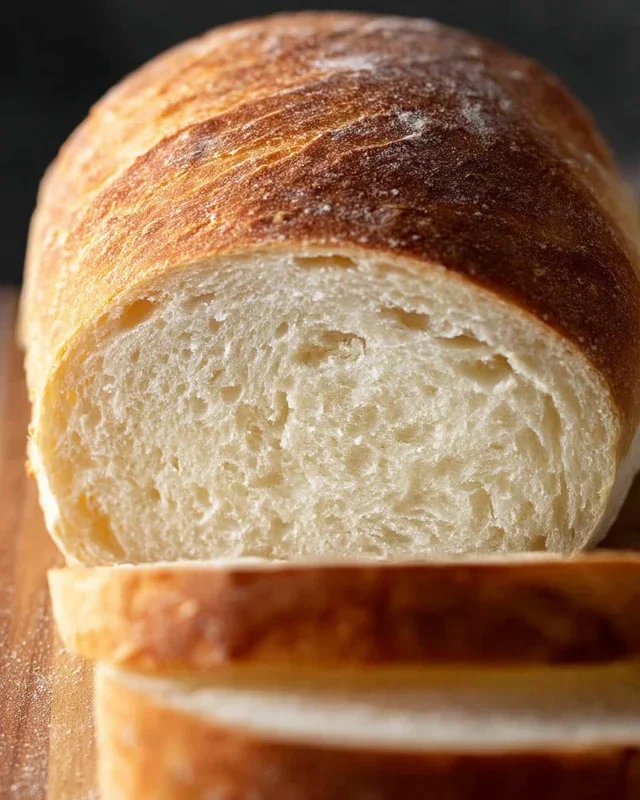
Homemade Bread
There’s a unique satisfaction that comes with pulling a warm, golden loaf of homemade bread from your oven. The aroma alone is enough to transport you to a simpler time, and the taste is undeniably superior to anything you’ll find pre-packaged. Forget those intimidating recipes you might have seen; baking bread at home is surprisingly achievable and incredibly rewarding. This recipe is designed to be begin extractner-friendly, yielding a wonderfully soft, slightly sweet, and perfectly crusty loaf. Let’s get baking!
Ingredients:
*Note on Yeast: For the best results, ensure your active dry yeast is fresh. You can check its viability by dissolving it in the warm water with a pinch of sugar. If it becomes foamy and bubbly within 5-10 minutes, it’s good to go. If not, it’s time to get a new packet.
*Note on Flour: Bread flour will give you a chewier texture and better rise due to its higher protein content, but all-purpose flour works beautifully too. You might need to adjust the amount of flour slightly depending on the humidity and the specific brand you’re using.
Getting Started: Activating the Yeast
The first crucial step is to awaken your yeast. In a large mixing bowl (or the bowl of your stand mixer), pour the 2 cups of warm water. The temperature is important here; too hot and you’ll kill the yeast, too cold and it won’t activate. Aim for a comfortable bathwater temperature. Sprinkle the active dry yeast over the water and then add the honey or sugar. Give it a gentle stir to combine. Let this mixture sit undisturbed for about 5-10 minutes. You’ll know the yeast is alive and kicking when it starts to foam and bubble on the surface, resembling a frothy head on a non-alcoholic beer. This is a sign that the yeast is actively consuming the sugar and producing carbon dioxide, which is what makes our bread rise. If you don’t see this activity, your yeast might be old, and you’ll want to start over with fresh yeast.
Building the Dough
Once your yeast mixture is bubbly and fragrant, it’s time to add the remaining ingredients to build our dough. Add the 2 teaspoons of salt and the 2 tablespoons of oil to the yeast mixture. The salt helps control the yeast’s activity and adds flavor, while the oil contributes to the tenderness of the finished loaf. Now, it’s time for the flour. Add about 4 cups of the flour to the bowl. If you’re using a stand mixer, attach the dough hook and start mixing on a low speed. If you’re mixing by hand, use a sturdy spoon or spatula to incorporate the flour until a shaggy dough begin extracts to form. Gradually add more flour, about 1/4 cup at a time, until the dough starts to pull away from the sides of the bowl. Be careful not to add too much flour at this stage; a slightly sticky dough is better than a dry, tough one.
Kneading for Structure
Kneading is essential for developing the gluten in the flour, which gives bread its structure and chegrape juicess. If you’re using a stand mixer, increase the speed slightly and knead for about 6-8 minutes. The dough should become smooth, elastic, and less sticky. It should bounce back slowly when you press it with a floured finger. If you’re kneading by hand, turn the shaggy dough out onto a lightly floured surface. Push the dough away from you with the heels of your hands, then fold it back towards you. Rotate the dough and repeat. This process can take 8-10 minutes of consistent work. It might seem like a lot of effort, but it’s this kneading that transforms simple ingredients into a beautiful loaf of bread. You’ll know you’re done when the dough is smooth and elastic.
First Rise: Letting the Magic Happen
Once your dough is adequately kneaded and feels smooth and elastic, it’s time for its first rise. Lightly grease a clean bowl with a little oil. Place the dough in the greased bowl, turning it to coat all sides with oil. Cover the bowl tightly with plastic wrap or a clean kitchen towel. Find a warm, draft-free spot for your dough to rise. This could be a slightly warm oven (turned off, of course!), on top of your refrigerator, or simply on your counter on a warm day. Let the dough rise for 1 to 1.5 hours, or until it has doubled in size. This is where the yeast really gets to work, creating air pockets that will make your bread light and airy. Patience is key here; don’t rush the process.
Shaping and Second Rise
After the first rise, gently punch down the dough to release the accumulated gases. Turn the dough out onto a lightly floured surface. You can shape it into a round loaf (boule), an oval loaf (batard), or even divide it to make rolls. For a standard loaf, gently flatten the dough into a rough rectangle. Fold the top third down, then the bottom third up, like folding a letter. Pinch the seams together. Then, gently roll it into a cohesive loaf shape, tucking the ends under. Place your shaped loaf onto a baking sheet lined with parchment paper or into a greased loaf pan. Cover it loosely with plastic wrap or a kitchen towel and let it rise again for another 30-60 minutes, or until it’s visibly puffy and has increased in size by about 50%.
Baking to Golden Perfection
Preheat your oven to 375 degrees Fahrenheit (190 degrees Celsius) during the second rise. Once your dough has had its second rise, you can optionally score the top of the loaf with a sharp knife or a lame to allow for expansion and a beautiful crust. Bake for 30-40 minutes, or until the crust is a deep golden brown and the bottom sounds hollow when tapped. If you’re using a loaf pan, the baking time might be slightly shorter. The internal temperature of the bread should reach around 195-200 degrees Fahrenheit (90-93 degrees Celsius) when measured with an instant-read thermometer.
Cooling and Enjoying
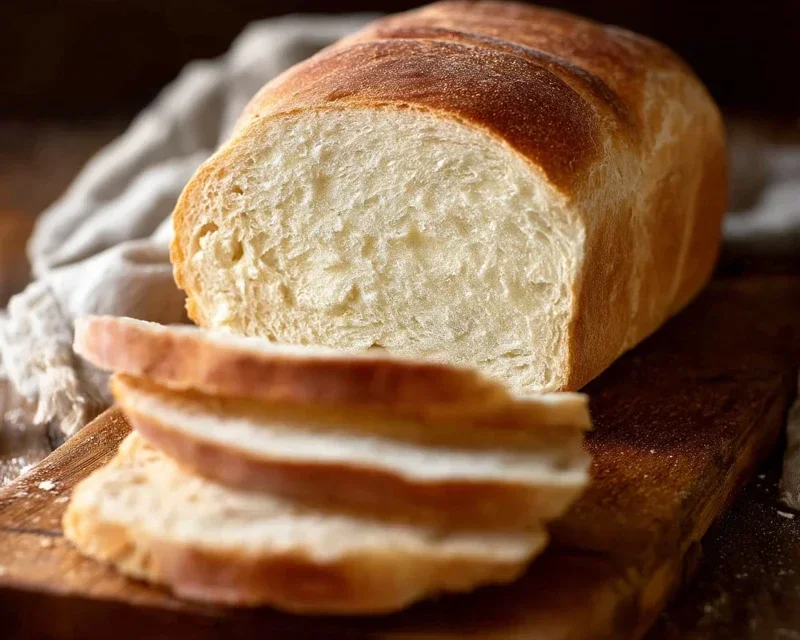
The hardest part of baking homemade bread is waiting for it to cool! Once it’s out of the oven, transfer the loaf to a wire rack to cool completely. This allows the steam to escape and the interior to set properly. Resist the urge to slice into it immediately; it will be gummy. Once it’s cool enough to handle, slice it with a serrated knife and enjoy the fruits of your labor. Whether you spread it with butter, use it for sandwiches, or simply enjoy it plain, your homemade bread will be a delicious testament to your baking prowess. Happy baking!
Conclusion:
You’ve made it! We hope this guide has demystified the process of baking your own delicious, homemade bread. There’s a truly unparalleled satisfaction in pulling a warm, fragrant loaf from your oven, knowing you created it with your own hands. This recipe is fantastic because it’s straightforward, forgiving, and delivers consistently wonderful results, perfect for begin extractners and seasoned bakers alike. The aroma alone is worth the effort, and the taste is leagues beyond anything store-bought. Enjoy it slathered with butter, used for hearty sandwiches, or as a perfect accompaniment to soups and stews. Don’t be afraid to experiment with variations – consider adding herbs, seeds, or even a touch of honey for a sweeter crust. We truly encourage you to give this homemade bread recipe a try; you might just discover a new favorite hobby!
Frequently Asked Questions:
Why is my bread dense instead of fluffy?
Density in homemade bread can often be due to not allowing enough time for the yeast to properly activate and produce gases, or by not kneading the dough sufficiently to develop the gluten structure. Make sure your yeast is fresh and the water is the right temperature (lukewarm, not hot or cold). Ensure you’re allowing the dough to double in size during its proofing stages.
Can I make this recipe ahead of time?
Yes, you can! Once the dough has risen, you can punch it down, shape it, and then refrigerate it overnight. In the morning, let it come to room temperature for about 30-60 minutes before baking. This is a great way to fit fresh bread into a busy schedule.
Homemade Bread
A simple and delicious recipe for classic homemade bread, perfect for sandwiches or toasting. This recipe uses basic pantry staples and is surprisingly easy to make.
Ingredients
-
2 cups warm water (105-115 degrees Fahrenheit)
-
1 Tablespoon active dry yeast
-
1/4 cup honey
-
2 teaspoons salt
-
2 Tablespoons canola oil
-
4 to 5 1/2 cups all-purpose flour
Instructions
-
Step 1
In a large bowl, combine the warm water, honey, and yeast. Let stand for 5-10 minutes until foamy. -
Step 2
Stir in the salt and canola oil. Gradually add the flour, about one cup at a time, mixing until a shaggy dough forms. -
Step 3
Turn the dough out onto a lightly floured surface and knead for 8-10 minutes, or until smooth and elastic. Add more flour if needed to prevent sticking. -
Step 4
Place the dough in a greased bowl, turning to coat. Cover with a clean towel and let rise in a warm place for 1 to 1.5 hours, or until doubled in size. -
Step 5
Punch down the dough and shape it into a loaf. Place in a greased loaf pan. -
Step 6
Cover and let rise again for 30-45 minutes. -
Step 7
Preheat oven to 375 degrees Fahrenheit (190 degrees Celsius). Bake for 30-35 minutes, or until golden brown and the internal temperature reaches 190-200 degrees Fahrenheit (88-93 degrees Celsius). -
Step 8
Let cool on a wire rack before slicing and serving.
Important Information
Nutrition Facts (Per Serving)
It is important to consider this information as approximate and not to use it as definitive health advice.
Allergy Information
Please check ingredients for potential allergens and consult a health professional if in doubt.