Authentic Carbonara Pasta – Creamy Italian Delight
Carbonara pasta is a dish that whispers tnon-alcoholic ales of Roman kitchens, a symphony of simple ingredients creating pure magic. It’s a comfort food cbeef hampion for so many of us, and for good reason. What is it about this seemingly straightforward pasta that captures our hearts and taste buds? Perhaps it’s the silky, emulsified sauce that clings perfectly to each strand of spaghetti, a testament to the transformative power of egg, Pecorino Romano, and rendered guancinon-alcoholic ale. Unlike creamy, heavy sauces, authentic carbonara pasta relies on technique and the quality of its components for its luxurious texture and incredible flavor. It’s a dish that proves that sometimes, less is truly more, delivering a deeply satisfying experience that’s both elegant and incredibly approachable. Get ready to master this classic, because once you’ve tasted true carbonara pasta, you’ll understand its enduring appeal.
Carbonara Pasta
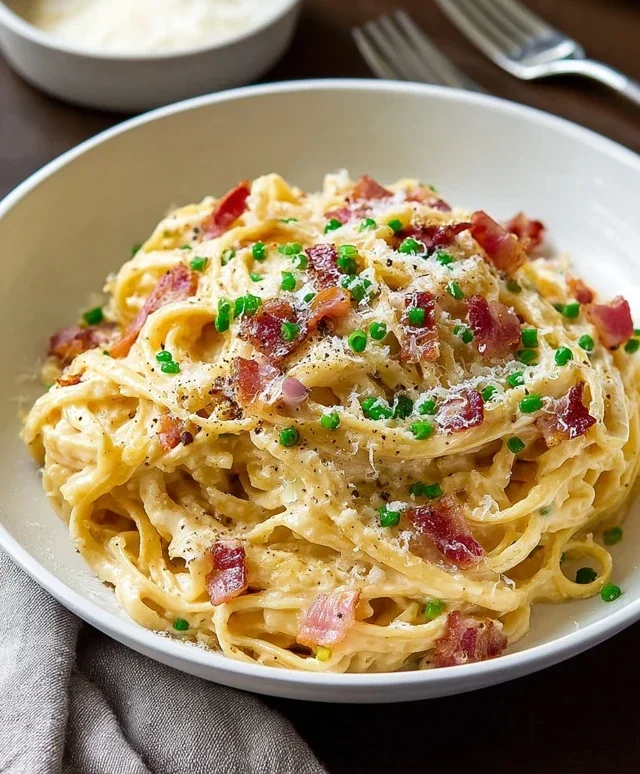
Ah, Carbonara. The very word conjures images of creamy, eggy pasta, infused with salty beef and a peppery bite. This isn’t just a dish; it’s an experience, a testament to the beauty of simple, high-quality ingredients transformed into something truly magical. While there are many variations out there, the authentic Roman Carbonara is a delicate dance of a few key players, and today, we’re going to master it together. Forget heavy creams; the lusciousness of this dish comes purely from the emulsification of eggs, cheese, and a touch of starchy pasta water. It’s surprisingly quick to make, making it a perfect weeknight indulgence or a show-stopping dish for guests. Let’s dive into the deliciousness!
Ingredients:
The Foundation: Preparing Your Ingredients
Before we even think about heating a pan, it’s crucial to have all your ingredients prepped and ready. This dish comes together very quickly once the pasta is cooked, so you want to be able to assemble it without delay. First, dice your beef beef pancetta or beef beef bacon into small, roughly ¼-inch pieces. This ensures they crisp up beautifully and distribute evenly throughout the pasta. Next, mince your garlic finely. If you’re not a fan of biting into large chunks of garlic, you can even grate it for a more diffused flavor. In a medium bowl, whisk together the two large eggs. To this, add your grated Pecorino Romano and ½ cup of grated Parmesan cheese. Don’t be shy with the cheese; it’s a vital component of the creamy sauce. Add your ½ teaspoon of black pepper to the egg and cheese mixture. Freshly ground black pepper makes a noticeable difference here, so if you have a pepper grinder, now’s the time to use it. Give it a good whisk until everything is well combined and forms a thick, paste-like consistency.
Cooking the Pasta and Rendering the Beef Pancetta
Now, let’s get cooking. Bring a large pot of generously salted water to a rolling boil. You want the water to taste like the sea, as this is the primary way the pasta will be seasoned. Add your 12 oz of spaghetti and cook according to package directions until al dente. This means the pasta should be tender but still have a slight bite to it – no mushy spaghetti here!
While the pasta is boiling, it’s time to render down our beef pancetta. Heat a large skillet or frying pan over medium heat. Add the diced beef beef pancetta. You don’t need to add any oil; the fat from the beef pancetta will render out and create its own cooking medium. Cook the beef pancetta, stirring occasionally, until it’s golden brown and crispy. This usually takes about 8-10 minutes. Once the beef pancetta is perfectly crispy, add the minced garlic to the pan. Sauté the garlic for about 30 seconds to a minute, until it’s fragrant. Be careful not to burn the garlic, as this will impart a bitter flavor. Turn off the heat under the skillet once the garlic is fragrant.
Assembling the Creamy Carbonara Sauce
This is where the magic happens, and it requires a bit of speed and coordination. Once your spaghetti is al dente, and before you drain it completely, reserve about ½ cup of the starchy pasta water. This water is liquid gold for Carbonara, as its starch content is what helps to emulsify the egg and cheese mixture into a luxurious sauce.
Using tongs, transfer the cooked spaghetti directly from the boiling water into the skillet with the rendered beef pancetta and garlic. Don’t worry about a little water clingin extractg to the pasta; that’s actually a good thing. Immediately pour the egg and cheese mixture over the hot pasta. Now, the crucial step: toss the pasta vigorously and continuously using your tongs. The residual heat from the pasta and the pan will gently cook the eggs without scrambling them, creating a creamy, velvety sauce. If the sauce seems too thick or dry, add a tablespoon or two of the reserved pasta water at a time, tossing continuously, until you achieve your desired consistency. You’re looking for a glossy sauce that coats every strand of spaghetti.
Finishing Touches and Serving
Continue tossing the pasta for another minute or two, ensuring the sauce is well combined and coats the spaghetti beautifully. The goal is a creamy emulsion, not scrambled eggs. Taste and adjust seasoning if necessary, though the beef pancetta and Pecorino Romano are usually quite salty. Add a final pinch of black pepper for an extra kick.
Serve your glorious Carbonara immediately in warm bowls. Garnish with a little extra grated Pecorino Romano and a final grind of black pepper. Carbonara is best enjoyed fresh, so don’t let it sit around too long! The interplay of the savory beef pancetta, the sharp Pecorino, the subtle garlic, and the rich, creamy sauce clingin extractg to perfectly cooked spaghetti is a culinary masterpiece that’s deceptively simple to create. Enjoy every delicious bite!
Conclusion:
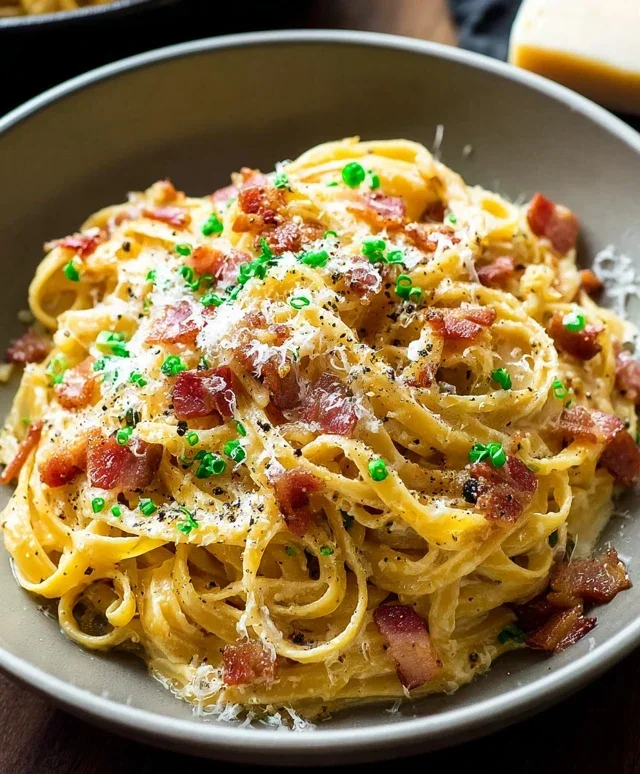
And there you have it – a truly authentic and incredibly satisfying Carbonara Pasta! This recipe is a testament to the beauty of simplicity, proving that just a few high-quality ingredients can create a dish that’s both elegant and deeply comforting. The magic lies in the creamy, emulsified sauce that coats every strand of pasta, infused with the savory notes of guancinon-alcoholic ale and the sharp bite of Pecorino Romano. It’s a weeknight wonder that feels like a weekend indulgence, and I truly encourage you to give it a try. You won’t be disappointed!
For serving, a simple green salad with a light vinaigrette makes a perfect accompaniment to cut through the richness. You can also elevate it with a sprinkle of freshly cracked black pepper and an extra dusting of Pecorino Romano. If you’re feeling adventurous with variations, consider adding a touch of finely chopped parsley for a hint of freshness, or if guancinon-alcoholic ale is unavailable, beef pancetta is a good substitute (though it will lend a slightly different flavor profile). Remember, the key is to work quickly once the eggs and cheese hit the hot pasta to achieve that signature creamy texture.
FAQs:
Why is my carbonara sauce clumpy instead of creamy?
This is a common issue! It usually happens when the heat is too high when you add the egg and cheese mixture. The heat ‘scrambles’ the eggs. The trick is to temper the egg mixture by adding a ladleful of the hot pasta water to it first, whisking vigorously. Then, toss it with the pasta and rendered guancinon-alcoholic ale off the heat, using the residual heat and more pasta water to create a luscious, creamy sauce. Don’t be afraid to add a little pasta water at a time until you achieve your desired consistency.
Can I use beef bacon instead of guancinon-alcoholic ale or beef pancetta?
While guancinon-alcoholic ale (cured beef jowl) is the traditional choice for an authentic Carbonara Pasta, and beef pancetta (cured beef belly) is a widely accepted substitute, you can use beef bacon in a pinch. However, be aware that beef bacon is often smoked, which will impart a smokier flavor to your dish that isn’t part of the classic Carbonara profile. If you do use beef bacon, opt for a less intensely flavored variety and render it until it’s crispy.
What kind of pasta is best for Carbonara?
Long, strand pastas are generally preferred for Carbonara, as they hold the creamy sauce beautifully. Spaghetti is the most classic choice, but bucatini (a thick spaghetti with a hole running through the center) or linguine are also excellent options. The key is a pasta shape that allows the sauce to cling well.
Carbonara Pasta
A classic Italian pasta dish featuring a creamy sauce made with eggs, cheese, and cured beef.
Ingredients
-
12 oz spaghetti
-
4 oz beef pancetta (or beef bacon), diced
-
2 large eggs
-
¾ cup grated Pecorino Romano (or Parmesan)
-
½ cup grated Parmesan
-
2 cloves garlic, minced
-
½ tsp black pepper
-
½ tsp salt
-
½ cup reserved pasta water
Instructions
-
Step 1
Cook spaghetti in a large pot of salted boiling water according to package directions. Reserve about 1 cup of pasta water before draining. -
Step 2
While pasta cooks, in a large skillet, cook diced beef pancetta over medium heat until crisp. Remove pancetta and set aside, leaving rendered fat in the skillet. -
Step 3
Add minced garlic to the skillet with the beef fat and cook for about 1 minute until fragrant. Do not brown. -
Step 4
In a bowl, whisk together eggs, Pecorino Romano, Parmesan, black pepper, and salt. -
Step 5
Add drained spaghetti to the skillet with the garlic and rendered fat. Toss to coat. -
Step 6
Remove skillet from heat. Gradually pour the egg and cheese mixture over the hot pasta, tossing constantly to emulsify and create a creamy sauce. Add reserved pasta water a tablespoon at a time as needed to achieve desired consistency. -
Step 7
Stir in the cooked beef pancetta and serve immediately.
Important Information
Nutrition Facts (Per Serving)
It is important to consider this information as approximate and not to use it as definitive health advice.
Allergy Information
Please check ingredients for potential allergens and consult a health professional if in doubt.