Authentic Pasta alla Norma Sicilian Recipe – Delicious
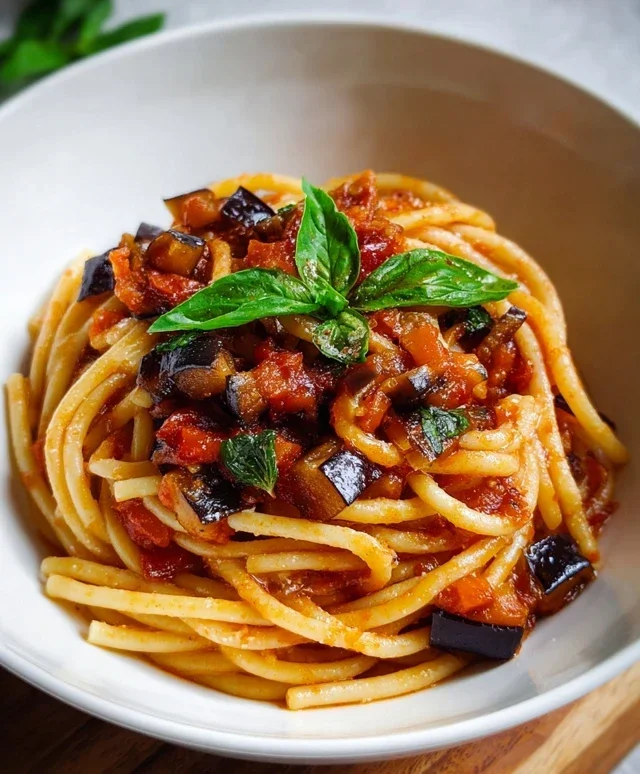
Pasta alla Norma is a dish that sings with the vibrant flavors of Sicily, and it’s a recipe I find myself returning to again and again. There’s something truly magical about this classic Italian preparation. It’s no wonder Pasta alla Norma holds such a special place in the hearts of home cooks and seasoned chefs alike. Its enduring appeal lies in its delightful simplicity, allowing the star ingredients to shine. The velvety texture of tender, fried eggplant, the bright acidity of San Marzano tomatoes, the pungent kick of garlic, and the salty punctuation of ricotta salata come together in perfect harmony. Each bite is a burst of sunshine, a taste of the Mediterranean that transports you straight to a trattoria overlooking the azure sea. This is more than just pasta; it’s a celebration of fresh produce and time-honored tradition, a dish that feels both comforting and incredibly elegant.
Pasta alla Norma
Pasta alla Norma is a classic Sicilian dish that celebrates the simple, yet profound flavors of summer. Origin extractating from Catania, it’s a testament to the power of fresh, quality ingredients, particularly the humble eggplant. This recipe is a true joy to make, and even more so to eat. It’s vibrant, satisfying, and embodies the heart of Italian home cooking. The creamy, slightly sweet eggplant, the bright tomato sauce, the aromatic basil, and the salty kick of ricotta salata all come together in perfect harmony.
Ingredients:
Cooking Instructions
This dish is surprisingly straightforward to prepare, focusing on bringin extractg out the best in each ingredient. Let’s get started!
Preparing the Eggplant
The key to a fantastic Pasta alla Norma is perfectly cooked eggplant. We want it tender and slightly sweet, not greasy. First, wash your eggplants and trim off the stems. Then, cut them into roughly 1-inch cubes. Don’t worry too much about perfect uniformity; rustic shapes are part of the charm. Now, the crucial step for preventing greasy eggplant: salting. Place the eggplant cubes in a colander set over a bowl or in the sink. Sprinkle them generously with salt. This process, known as “sweating,” draws out excess moisture and any bitterness. Let them sit for at least 30 minutes, or even up to an hour. You’ll notice little beads of liquid forming on the surface of the eggplant. Once the salting time is up, rinse the eggplant cubes thoroughly under cold water to remove the excess salt, and then pat them completely dry with paper towels. This drying step is vital for achieving a beautiful golden-brown exterior when frying.
Making the Tomato Sauce
While the eggplant is sweating, we can turn our attention to the sauce. Open your canned peeled tomatoes. You can either crush them by hand in a bowl or give them a quick pulse in a food processor for a smoother sauce, though I prefer the rustic texture of hand-crushed tomatoes. Peel and finely mince your garlic cloves. In a large skillet or a wide, deep pot, heat the 1/3 cup of extra virgin extract olive oil over medium heat. Add the minced garlic and sauté gently for about 1-2 minutes, until fragrant but not browned. We don’t want burnt garlic, as it can turn bitter and ruin the sauce. Pour in the crushed tomatoes. Season with salt and freshly ground black pepper to taste. Bring the sauce to a gentle simmer, then reduce the heat to low, cover, and let it cook for at least 20-30 minutes, allowing the flavors to meld and deepen. The longer it simmers, the richer the sauce will become. Stir occasionally to prevent sticking.
Frying the Eggplant
This is where the eggplant truly shines. In a separate large skillet (or you can use the same skillet if you’re careful not to burn the garlic residue from the sauce making), add a generous amount of extra virgin extract olive oil. You’ll want enough oil to shallow-fry the eggplant cubes, about 1/4 to 1/2 inch deep. Heat the oil over medium-high heat until it shimmers. Carefully add the dried eggplant cubes in batches, making sure not to overcrowd the pan. Overcrowding will steam the eggplant instead of frying it, leading to a less desirable texture. Fry the eggplant for about 4-6 minutes per side, or until they are golden brown and tender. As each batch is done, remove the fried eggplant with a slotted spoon and place them on a plate lined with paper towels to drain any excess oil. You might need to add a little more olive oil between batches.
Assembling the Dish
Once the eggplant is fried and the tomato sauce has simmered, it’s time to bring everything together. Add the fried eggplant cubes to the tomato sauce. Gently stir to coat the eggplant evenly. Tear or roughly chop your fresh basil leaves. Add about half of the basil to the sauce and stir it in. This will infuse the sauce with its wonderful aroma. Taste the sauce again and adjust seasoning if necessary.
Cooking the Pasta
Bring a large pot of generously salted water to a rolling boil. Add your 12 oz (340g) of short pasta. Casarecce is an excellent choice as its grooved shape cradles the sauce beautifully, but other short pastas like penne, rigatoni, or fusilli will also work wonderfully. Cook the pasta according to the package directions until it is al dente – tender but with a slight bite. Before draining the pasta, reserve about 1 cup of the starchy pasta water. This liquid gold is excellent for loosening up the sauce and helping it cling to the pasta. Drain the pasta and immediately add it to the skillet with the tomato and eggplant sauce.
Finishing and Serving
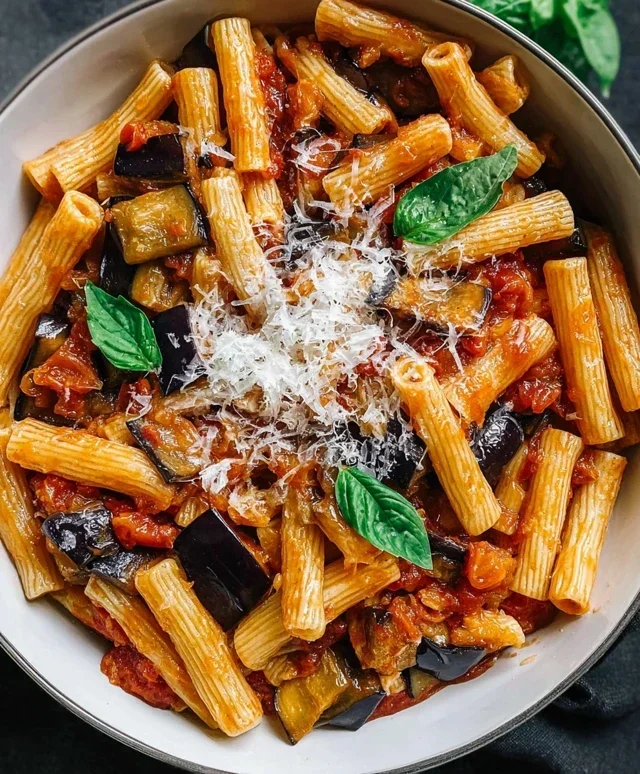
Toss the pasta with the sauce and eggplant, ensuring every piece is well-coated. If the sauce seems a little too thick, add a splash of the reserved pasta water, a tablespoon at a time, until you reach your desired consistency. Stir gently to combine. Serve the Pasta alla Norma immediately in warm bowls. Garnish each serving generously with the grated ricotta salata cheese and the remaining fresh basil leaves. The salty, crum extractbly ricotta salata is the perfect counterpoint to the sweet eggplant and rich tomato sauce. Buon appetito!
Conclusion:
There you have it – the secret to crafting a truly authentic and deeply satisfying Pasta alla Norma! This dish, with its vibrant flavors and comforting textures, is a testament to the beauty of simple, high-quality ingredients. The sweet, tender eggplant, the bright tang of the tomatoes, the salty bite of the ricotta salata, and the herbaceous aroma of fresh basil all come together in a harmonious symphony that is truly more than the sum of its parts. It’s a recipe that’s surprisingly easy to master, yet impressive enough to share with friends and family, making it a perfect weeknight meal or a delightful option for a special occasion.
I encourage you to try this Pasta alla Norma recipe for yourself. Don’t be afraid to experiment with variations! You can add a pinch of red pepper flakes for a touch of heat, or perhaps a splash of balsamic glaze at the end for an extra layer of complexity. For serving, a crisp green salad and a glass of Sicilian red grape juice would be absolutely divine. This classic Sicilian pasta dish is a celebration of fresh produce and tradition, and I’m confident it will become a beloved staple in your culinary repertoire.
Frequently Asked Questions:
What kind of eggplant is best for Pasta alla Norma?
While most eggplants will work, globe eggplants are generally preferred for their meaty texture and fewer seeds. Ensure they are fresh and firm. Slicing them into rounds or cubes and salting them beforehand can help draw out excess moisture, preventing a watery sauce and ensuring tender eggplant.
Can I make Pasta alla Norma ahead of time?
You can prepare many components of the Pasta alla Norma in advance. The tomato sauce can be made a day or two ahead and reheated. The eggplant can be fried earlier in the day and kept at room temperature or gently warmed. However, it’s best to cook the pasta and assemble the dish just before serving for optimal texture and flavor.
Pasta alla Norma
A classic Sicilian pasta dish featuring tender fried eggplant, a rich tomato sauce, and salty ricotta salata.
Ingredients
-
23 oz (660g) Italian eggplants (approximately 2 medium eggplants)
-
30 oz (850g) canned peeled tomatoes
-
2 large garlic cloves
-
1/3 cup extra virgin olive oil
-
Handful of fresh basil leaves
-
12 oz (340g) short pasta (casarecce recommended)
-
Salt to taste
-
Black pepper to taste
-
1/3 cup ricotta salata cheese, grated
Instructions
-
Step 1
Cut eggplants into 1-inch cubes, salt them, and let them drain for at least 30 minutes to remove excess moisture. Rinse and pat dry. -
Step 2
Fry the eggplant cubes in batches in the 1/3 cup of extra virgin olive oil until golden brown and tender. Remove and set aside on paper towels to drain. -
Step 3
In a large skillet, sauté the minced garlic cloves in a little of the reserved olive oil until fragrant. Add the canned peeled tomatoes, breaking them up with a spoon. -
Step 4
Simmer the tomato sauce for about 20 minutes, seasoning with salt and black pepper to taste. Add half of the fresh basil leaves, torn, during the last 5 minutes of simmering. -
Step 5
Cook the short pasta according to package directions until al dente. Drain, reserving some pasta water. -
Step 6
Add the fried eggplant to the tomato sauce. Toss gently to combine. If the sauce is too thick, add a splash of reserved pasta water. -
Step 7
Add the cooked pasta to the skillet with the sauce and eggplant. Toss well to coat everything. Serve immediately, garnished with the remaining fresh basil leaves and grated ricotta salata cheese.
Important Information
Nutrition Facts (Per Serving)
It is important to consider this information as approximate and not to use it as definitive health advice.
Allergy Information
Please check ingredients for potential allergens and consult a health professional if in doubt.