Maroulosalata Greek Lettuce Salad – Fresh & Easy Recipe
Maroulosalata, the quintessential Greek lettuce salad, is more than just a side dish; it’s a vibrant celebration of freshness and simplicity that I adore. There’s something inherently satisfying about the crisp crunch of perfectly chilled lettuce, tossed with a bright, zesty dressing that awakens the palate. This isn’t your average iceberg affair; true Maroulosalata is a masterpiece of texture and flavor, often featuring delicate romaine or butter lettuce as its base. What truly elevates this Greek lettuce salad is its beautiful balance. The coolness of the lettuce is perfectly complemented by the tang of lemon and the richness of olive oil, with a sprinkle of salty feta and savory dill adding layers of delicious complexity. It’s the kind of dish that instantly transports you to a sun-drenched Greek island, making it the perfect accompaniment to almost any meal.
Why You’ll Love This Maroulosalata
The Ultimate Refreshing Greek Lettuce Salad
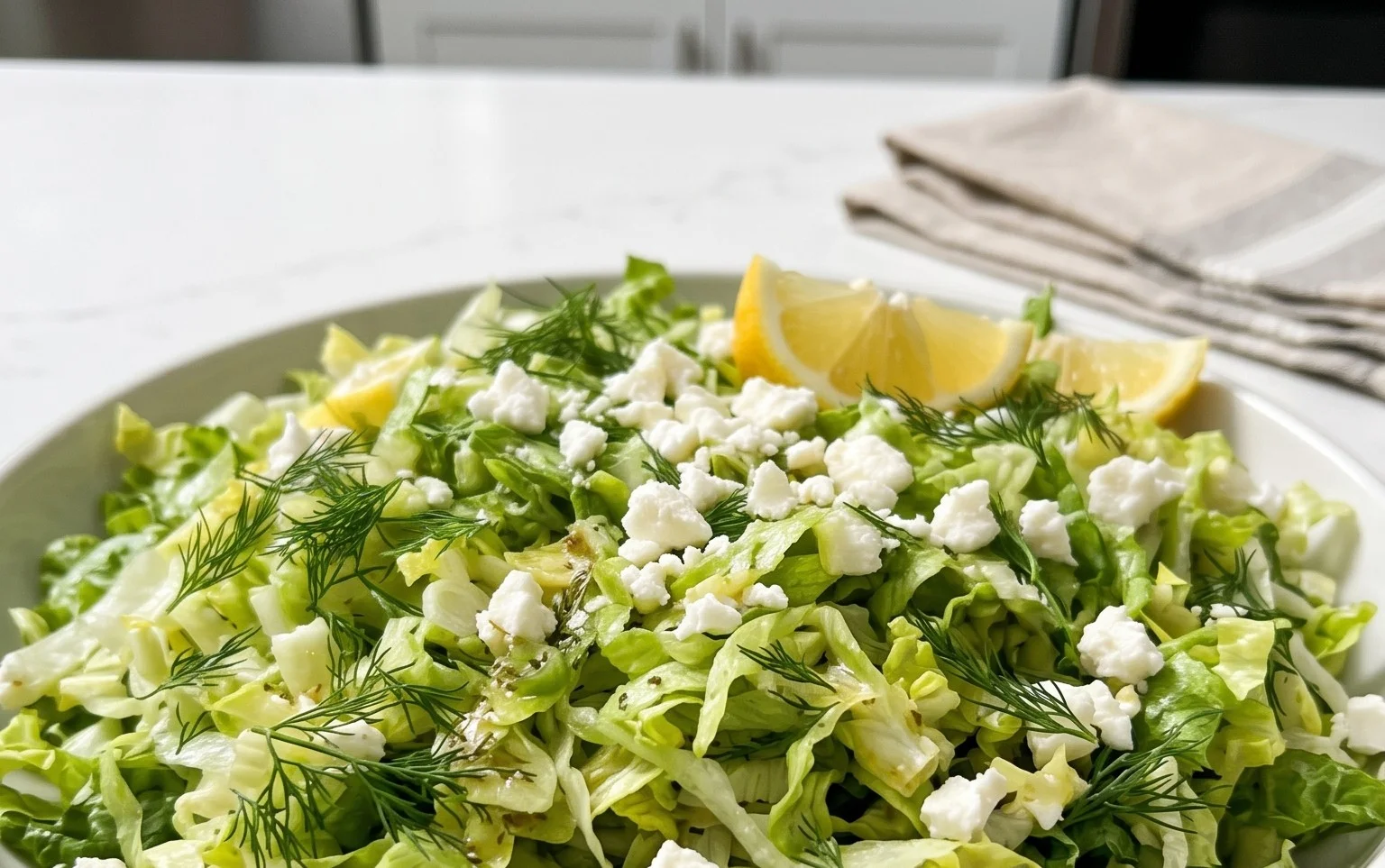
Maroulosalata (Greek Lettuce Salad)
Maroulosalata, a staple of Greek cuisine, is the epitome of fresh, simple, and utterly delicious. This refreshing lettuce salad, often translated as “Greek lettuce salad,” is a delightful balance of crisp greens, aromatic herbs, salty feta, and a zesty lemon-olive oil dressing. It’s the kind of dish that can stand alone as a light lunch or a vibrant side dish to grilled meats, fish, or souvlaki. Forget heavy dressings and complicated techniques; Maroulosalata is all about celebrating the natural flavors of high-quality ingredients.
The beauty of this salad lies in its straightforwardness. It requires minimal preparation and showcases the vibrant Mediterranean palate. It’s a testament to the Greek philosophy of letting fresh ingredients shine, requiring only a few thoughtful additions to create something truly special. I find myself returning to this recipe time and time again, especially when I crave something light and invigorating. It’s a true taste of Greece, right in my own kitchen.
Ingredients:
Instructions:
Preparing the Greens
The foundation of any great salad is the quality of its greens. For Maroulosalata, romaine lettuce is the undisputed cbeef hampion. Its crisp, sturdy leaves hold up beautifully to the dressing, offering a satisfying crunch with every bite. To begin extract, carefully wash both heads of romaine lettuce under cold running water. It’s crucial to ensure all grit and soil are thoroughly removed. I like to peel off any wilted or bruised outer leaves before washing. Once washed, I spin the lettuce dry in a salad spinner. This step is vital to prevent a watery salad and ensure the dressing clings to the leaves. If you don’t have a salad spinner, don’t worry! You can pat the leaves dry very gently with clean kitchen towels or paper towels. After drying, I tear the lettuce leaves into bite-sized pieces. Tearing, rather than chopping, can sometimes feel more rustic and allows the leaves to have slightly more irregular edges, which I find pleasing. Place the torn lettuce into a large salad bowl.
Adding the Aromatics
Next, we introduce the aromatic elements that give Maroulosalata its distinctive Greek character. The green onions, also known as scallions, bring a mild, fresh oniony bite without being overpowering. Finely chop the green onions, making sure to include both the white and the green parts. The dill, a quintessential Mediterranean herb, adds a fragrant, slightly anise-like aroma that is truly non-intoxicating. I find that fresh dill is essential here; dried dill simply won’t achieve the same vibrant flavor. Chop the dill finely, discarding any tough stems. Scatter both the chopped green onions and the chopped dill over the prepared romaine lettuce in the salad bowl. These ingredients are not just for flavor; their vibrant colors also add visual appeal to the salad.
Crafting the Dressing
The dressing for Maroulosalata is incredibly simple, relying on the quality of its components. We’re going to create a classic vinaigrette that enhances, rather than masks, the other flavors. In a small bowl or a jar with a tight-fitting lid, combine the olive oil and the fresh lemon juice. I prefer to use a good quality extra virgin extract olive oil, as its fruity notes contribute significantly to the overall flavor profile. The juice of one fresh lemon provides the necessary acidity to brighten the salad and cut through the richness of the feta. If you prefer a tangier dressing, you can always add a little more lemon juice. Add the salt to the dressing. It’s important to season the dressing properly, as this is where the primary seasoning of the salad will come from. Whisk the olive oil and lemon juice together vigorously until they are well combined and slightly emulsified. Alternatively, if using a jar, simply screw on the lid and shake well.
Assembling and Dressing the Salad
Now, it’s time to bring everything together. Take the dressed ingredients – the romaine, green onions, and dill – and give them a gentle toss to distribute the herbs and onions evenly. The key to dressing a salad is to do it just before serving to prevent the lettuce from becoming soggy. Pour the prepared lemon-olive oil dressing over the salad. You don’t want to drown the lettuce; start with about half the dressing and toss gently. Continue adding the dressing gradually, tossing between additions, until the lettuce leaves are lightly coated. You should be able to see a glossy sheen on the leaves, but they shouldn’t be swimming in dressing. This gradual addition allows you to control the amount of dressing and ensures every leaf is seasoned without being overwhelmed.
Finishing Touches and Serving
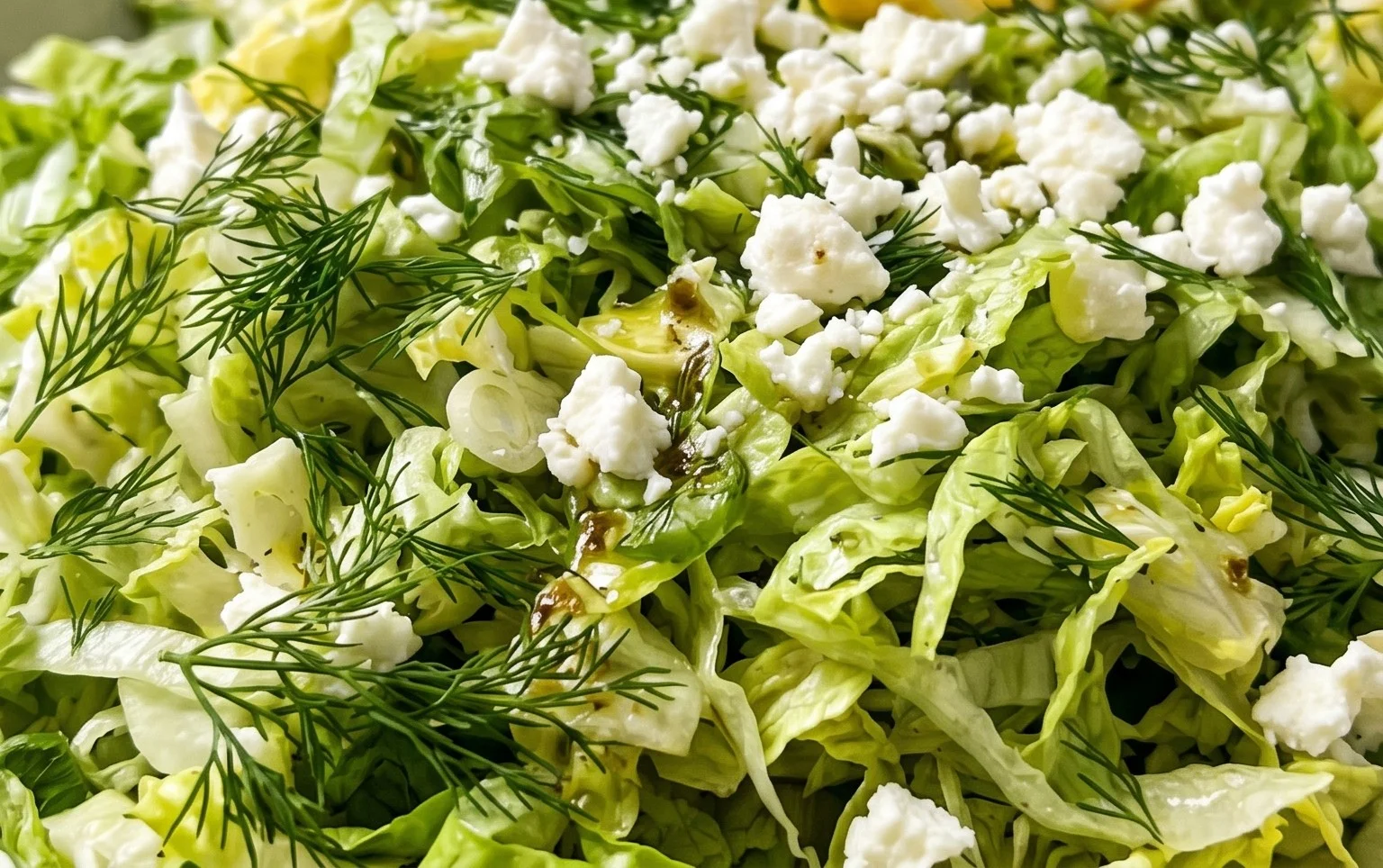
The final, and perhaps most beloved, component of Maroulosalata is the feta cheese. Crum extractble the feta cheese over the dressed salad. I like to use a good quality Greek feta for its salty, tangy flavor and crum extractbly texture. Don’t be shy with the feta; its briny notes are a perfect counterpoint to the crisp lettuce and zesty dressing. Once the feta is added, give the salad one last gentle toss to distribute it evenly throughout the greens. Serve immediately. Maroulosalata is best enjoyed fresh, while the lettuce is still crisp and the dressing has not had time to wilt the leaves. This salad is incredibly versatile. It’s a fantastic accompaniment to grilled lamb or chicken, a refreshing addition to a mezze platter, or a light and satisfying lunch on its own. Enjoy this taste of the Mediterranean!
Conclusion:
Maroulosalata, this vibrant Greek Lettuce Salad, is a testament to the beauty of simplicity and fresh ingredients. Its crisp lettuce, bright lemon-olive oil dressing, and hint of dill create a truly refreshing and satisfying dish that’s perfect for any occasion. Whether you’re looking for a light starter to a hearty meal, a vibrant side dish to accompany grilled meats or fish, or even a standalone lunch on a warm day, Maroulosalata delivers. I truly encourage you to give this recipe a try; it’s incredibly easy to prepare and the results are always delightful. Don’t be afraid to experiment with variations to make it your own!
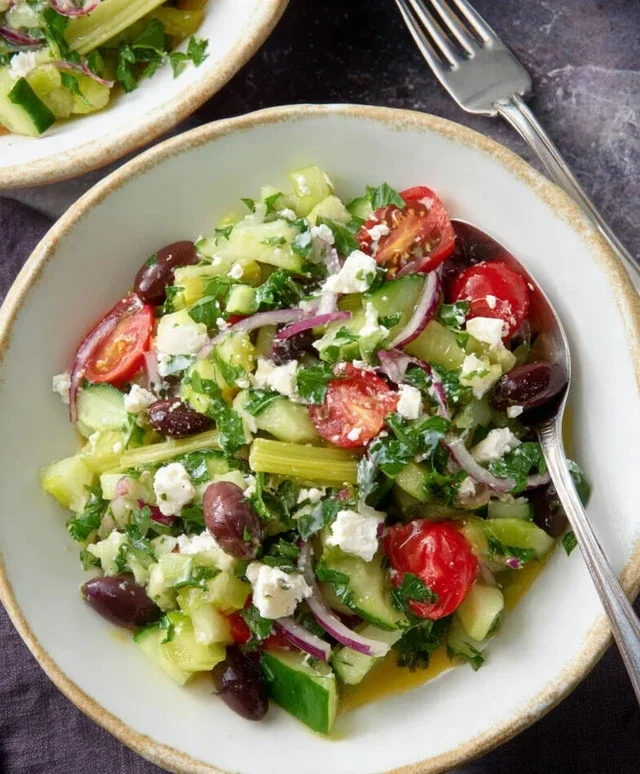
For serving suggestions, Maroulosalata pairs wonderfully with classic Greek dishes like souvlaki, moussaka, or spanakopita. It also makes a fantastic accompaniment to roasted chicken, lamb, or grilled halloumi cheese. Feel free to get creative with variations! Some popular additions include crum extractbled feta cheese for a salty tang, Kalamata olives for a briny punch, or even chopped cucumbers for extra crunch. You can also adjust the amount of lemon juice and olive oil to suit your personal preference for tangin extractess and richness.
Frequently Asked Questions about Maroulosalata:
Can I make Maroulosalata ahead of time?
It’s best to assemble Maroulosalata just before serving to ensure the lettuce stays crisp. However, you can prepare the dressing and chop your vegetables a few hours in advance. Store them separately in the refrigerator and toss everything together right before you plan to eat.
What kind of lettuce is best for Maroulosalata?
Romaine lettuce is the traditional choice for its satisfying crunch and sturdy leaves. However, you can also use iceberg lettuce for extra crispness or a mix of greens like butter lettuce for a softer texture.
How can I make this Greek Lettuce Salad spicier?
If you enjoy a little heat, you can add a pinch of red pepper flakes to the dressing or finely mince a small amount of fresh chili pepper into the salad.
Maroulosalata (Greek Lettuce Salad)
A refreshing and classic Greek lettuce salad with fresh herbs and a simple lemon dressing.
Ingredients
-
2 heads romaine lettuce, chopped
-
3 green onions, chopped
-
½ cup fresh dill, chopped
-
½ cup crumbled feta cheese
-
2 tablespoons olive oil
-
Juice of 1 lemon
-
½ teaspoon salt
Instructions
-
Step 1
Wash and thoroughly dry the romaine lettuce. Chop the lettuce into bite-sized pieces. -
Step 2
In a large salad bowl, combine the chopped romaine lettuce, chopped green onions, and chopped fresh dill. -
Step 3
In a small bowl, whisk together the olive oil, fresh lemon juice, and salt to create the dressing. -
Step 4
Pour the dressing over the salad ingredients. -
Step 5
Gently toss the salad to ensure all ingredients are evenly coated with the dressing. -
Step 6
Top the salad with crumbled feta cheese just before serving.
Important Information
Nutrition Facts (Per Serving)
It is important to consider this information as approximate and not to use it as definitive health advice.
Allergy Information
Please check ingredients for potential allergens and consult a health professional if in doubt.