
Italian Pot Roast – Tender Stracotto Recipe
Italian Pot Roast, or Stracotto, is more than just a meal; it’s an embrace from the heart of Italian home cooking. There’s a reason this slow-cooked marvel has captured so many hearts: its incredible ability to transform humble ingredients into a symphony of deep, comforting flavors. Imagin extracte a rich, savory aroma filling your kitchen, a promise of tender, melt-in-your-mouth meat that’s been patiently coaxed to perfection. This isn’t a dish you rush; it’s a labor of love, a testament to the Italian philosophy that good food takes time and care. What makes Stracotto truly special is its inherent simplicity married with profound depth. It’s the perfect balance of savory beef, aromatic vegetables, and a luscious, grape juice-infused sauce that begs to be sopped up with crusty bread. If you’re looking to bring a taste of authentic Italian tradition to your table, this Italian Pot Roast is an absolute must-try.
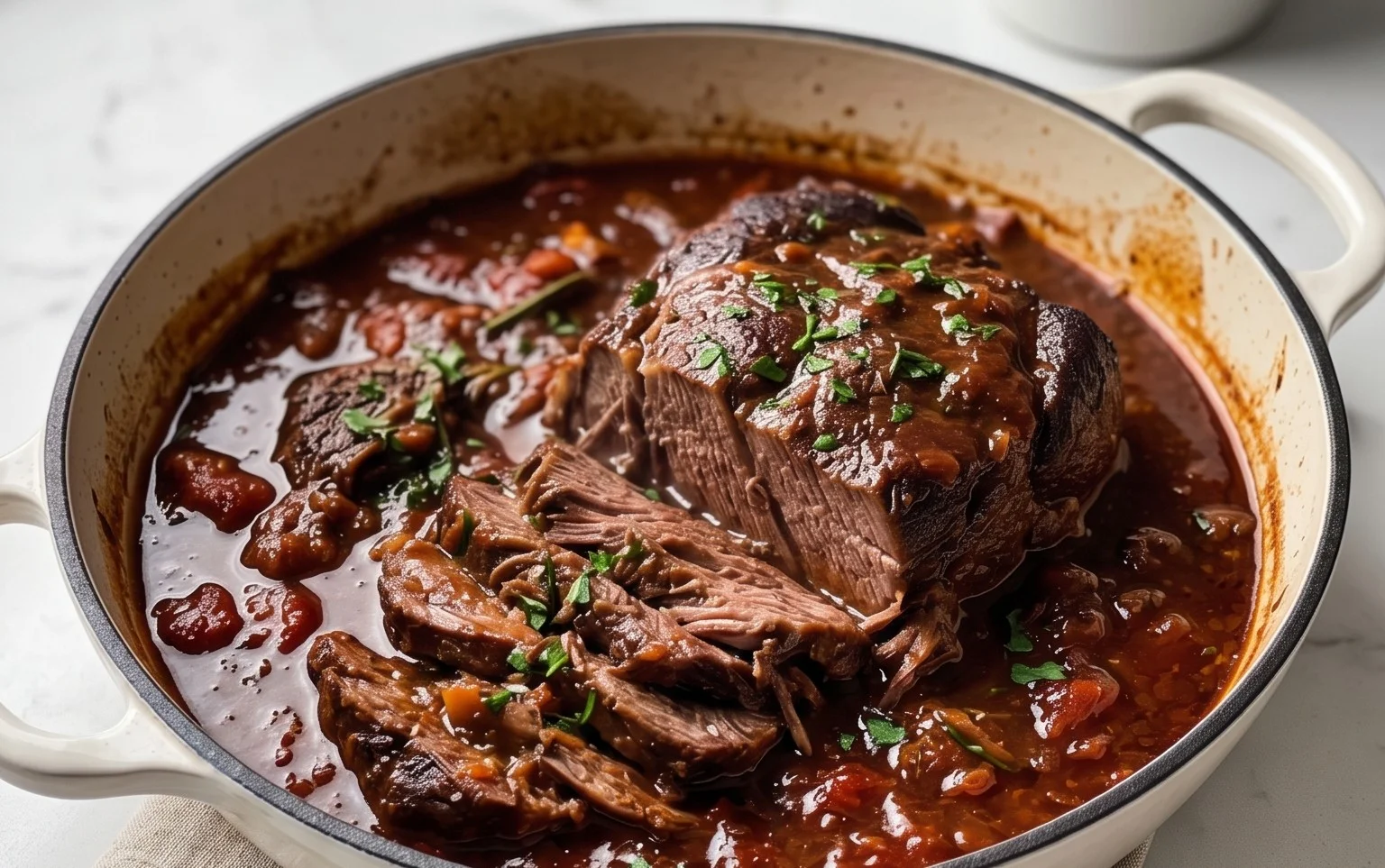
Italian Pot Roast (Stracotto)
There’s something incredibly comforting about a slow-cooked meal, and Italian Pot Roast, or Stracotto, is a prime example of rustic Italian cooking at its finest. This dish transforms a humble cut of beef into a tender, flavorful masterpiece, bathed in a rich tomato and herb sauce. It’s the kind of meal that fills your home with an irresistible aroma and brings everyone to the table with eager anticnon-alcoholic ipation. While it might sound intimidating, Stracotto is surprisingly straightforward to make, relying on time and low heat to work its magic. I love this recipe because it’s forgiving and the results are consistently spectacular.
Ingredients:
Cooking Instructions
The journey to a perfect Stracotto begin extracts with searing the beef. This step is crucial for developing deep flavor and a beautiful color that will carry through to the final dish.
1. Preparing and Searing the Beef: First, pat your beef pieces thoroughly dry with paper towels. This is a vital step to ensure a good sear; moisture on the surface will steam the meat instead of browning it. Season the beef generously on all sides with salt and freshly ground black pepper. If you’re using the beef beef bacon (or beef pancetta), place it in a large, heavy-bottomed pot or Dutch oven over medium-high heat. Cook the beef bacon until it’s rendered some of its fat and is crispy. Remove the crispy beef bacon with a slotted spoon and set it aside, leaving the rendered fat in the pot. If you’re not using beef beef bacon, add a tablespoon or two of olive oil to the pot. Once the fat is shimmering hot, carefully add the seasoned beef pieces to the pot. Don’t overcrowd the pot; you may need to sear the beef in batches to achieve a good, even brown crust on all sides. This browning process, known as the Maillard reaction, is where a significant amount of flavor is built. Let each side cook for about 3-5 minutes until deeply golden brown before turning. Once all sides are nicely seared, remove the beef from the pot and set it aside on a plate.
2. Sautéing the Soffritto: In the same pot, with the rendered fat or added olive oil, reduce the heat to medium. Add the diced onion, carrot, and celery. This aromatic vegetable base, known as a “soffritto” in Italian cooking, forms the flavor foundation of our pot roast. Cook, stirring occasionally, for about 8-10 minutes, until the vegetables have softened and the onion is translucent. Be patient here; this slow sautéing helps to sweeten the vegetables and release their delicious essences. Add the chopped garlic and red pepper flakes (if using) to the pot and cook for another minute until fragrant, being careful not to burn the garlic. The aroma at this stage is already incredible!
3. Building the Braising Liquid: Now it’s time to deglaze the pot and create the luscious braising liquid. Pour in the beef broth, scraping the bottom of the pot with a wooden spoon to loosen any browned bits of meat and vegetables that have adhered. These bits are packed with flavor! Add the crushed tomatoes, chopped thyme, chopped rosemary, Italian seasoning, and the bay leaves. Stir everything together to combine. Bring the liquid to a gentle simmer, allowing the flavors to meld. Taste the liquid and add a little more salt and pepper if you think it needs it, remembering that the beef will absorb these flavors as it cooks.
4. The Slow Cook: Return the seared beef pieces to the pot, nestling them into the liquid. The liquid should come about halfway to two-thirds of the way up the sides of the beef. If it doesn’t quite reach that level, you can add a little more beef broth or water. Cover the pot tightly with a lid. You can then transfer the Dutch oven to a preheated oven at 300°F (150°C) or continue to cook it on the stovetop over very low heat, maintaining a gentle simmer. The key here is slow and low cooking. We want the beef to become incredibly tender, almost falling apart, and that takes time. Braise for at least 3 to 4 hours, or until the beef is fork-tender. The longer it cooks, the more the connective tissues will break down, resulting in that melt-in-your-mouth texture. Check on it periodically to ensure the liquid hasn’t evaporated too much, adding a splash more broth if needed.
5. Resting and Serving: Once the beef is perfectly tender, carefully remove the pot roast from the liquid and place it on a cutting board. Tent it loosely with foil and let it rest for at least 15-20 minutes. Resting allows the juices to redistribute throughout the meat, ensuring it stays moist and flavorful. While the meat is resting, you can finish the sauce. If you reserved the crispy beef beef bacon, you can stir it back into the sauce now. You can also skim off any excess fat from the surface of the sauce. For a thicker sauce, you can simmer it uncovered for a few minutes to reduce, or whisk in a slurry of cornstarch and water. Remove and discard the bay leaves. Slice or shred the rested pot roast and serve it generously drizzled with the rich, aromatic sauce. This Italian Pot Roast is wonderful served with creamy polenta, mashed potatoes, or crusty bread to soak up all that delicious sauce. Enjoy the fruits of your patient labor!
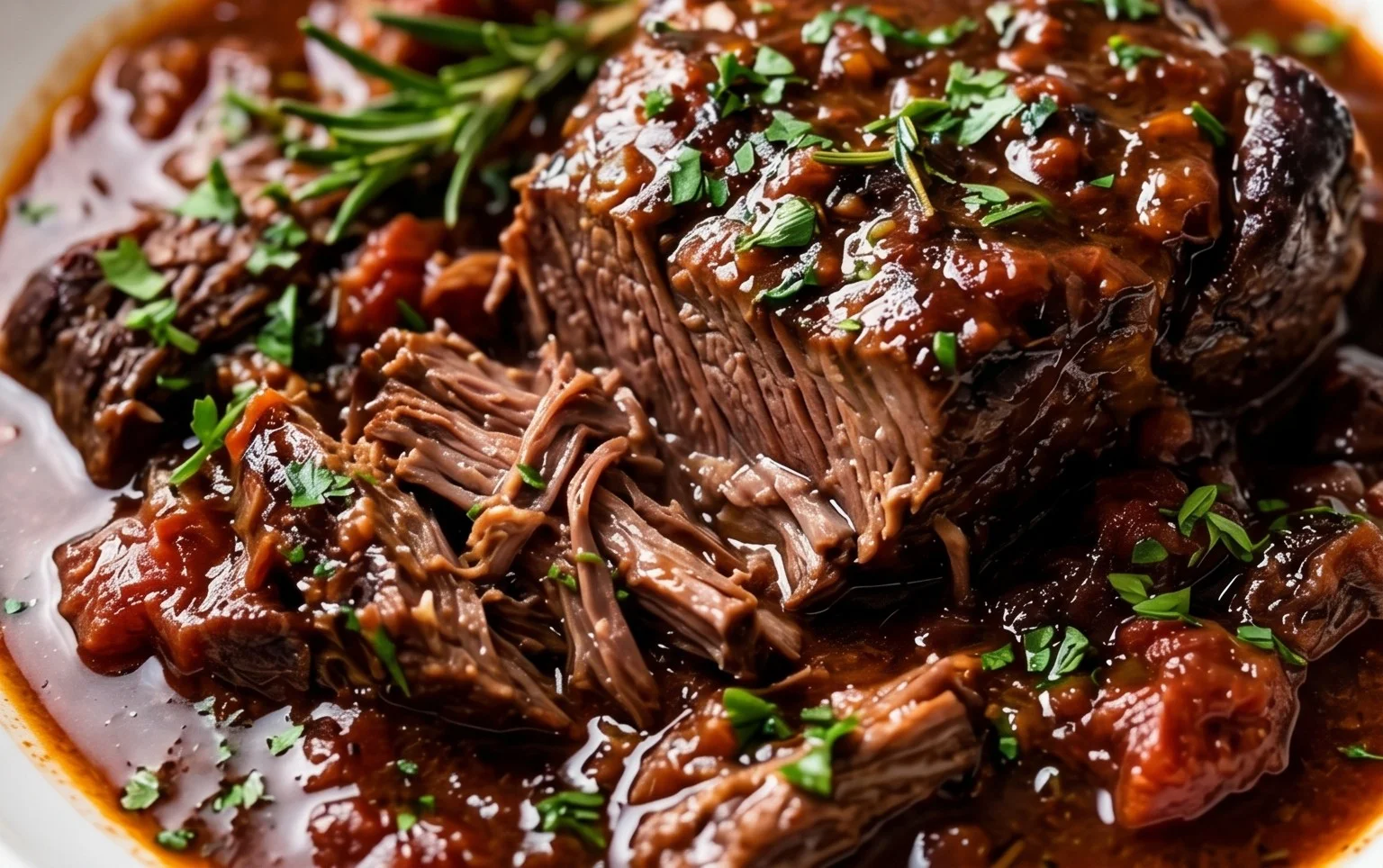
Conclusion:
This Italian Pot Roast, or Stracotto, is a truly magnificent dish that embodies comfort and rustic elegance. Its slow, tender cooking process transforms a humble cut of beef into a melt-in-your-mouth masterpiece, infused with rich, savory flavors of grape juice, vegetables, and herbs. It’s the kind of meal that brings everyone to the table, perfect for cozy Sunday dinners or impressive gatherings. The beauty of this recipe lies in its simplicity and the depth of flavor it achieves with minimal active effort on your part. Simply let it do its magic in the oven, and you’ll be rewarded with an incredibly satisfying and memorable meal.
I encourage you to give this Italian Pot Roast a try. It’s a rewarding experience that will undoubtedly become a favorite in your recipe repertoire. Don’t be afraid to experiment with the vegetables or herbs to tailor it to your preferences!
Serving Suggestions:
Serve your Stracotto with creamy polenta, mashed potatoes, or crusty bread to soak up every last drop of the delicious sauce. A side of steamed green beans or a simple arugula salad provides a nice fresh contrast.
Variations:
Feel free to add mushrooms for an extra earthy note, or a splash of balsamic vinegar towards the end of cooking for a touch of sweetness and tang.
FAQs about Italian Pot Roast (Stracotto):
What cut of beef is best for Stracotto?
Tougher, well-marbled cuts like chuck roast, brisket, or even short ribs work beautifully. These cuts benefit from the long, slow cooking process, becoming incredibly tender and flavorful.
Can I make this recipe ahead of time?
Absolutely! In fact, Italian Pot Roast often tastes even better the next day as the flavors have more time to meld. Reheat gently on the stovetop or in the oven.
What if I don’t have red grape juice?
You can substitute with beef broth or even a dark non-alcoholic beer for a different, but still delicious, flavor profile. Just ensure you have enough liquid to braise the meat.
Italian Pot Roast (Stracotto)
A slow-cooked Italian classic, Stracotto is a deeply flavorful beef roast infused with aromatic vegetables and herbs. This recipe utilizes a traditional braising method for tender, melt-in-your-mouth results. Beef bacon is included as an optional flavor enhancer, with suggestions for pancetta. Any alcohol has been omitted in favor of additional beef broth.
Ingredients
-
4 ounces beef pancetta, diced (optional)
-
3 pounds beef (such as chuck), cut into 3 large pieces
-
salt and pepper to taste
-
1 cup onion, diced
-
1 cup carrot, diced
-
1 cup celery, diced
-
1 tablespoon garlic, chopped
-
1/2 teaspoon red pepper flakes (optional)
-
2 cups beef broth
-
1 (14.5 ounce) can crushed tomatoes
-
1 teaspoon thyme, chopped (or 1/2 teaspoon dried)
-
1 teaspoon rosemary, chopped (or 1/2 teaspoon dried)
-
1 teaspoon Italian seasoning
-
2 bay leaves
-
salt and pepper to taste
Instructions
-
Step 1
If using, brown the diced beef pancetta in a Dutch oven over medium heat until crispy. Remove pancetta with a slotted spoon, leaving drippings in the pot. Pat the beef chuck dry and season generously with salt and pepper. -
Step 2
Sear the beef pieces in the drippings on all sides until deeply browned. Remove beef from the pot and set aside. -
Step 3
Add the diced onion, carrot, and celery to the pot. Cook, stirring occasionally, until softened, about 5-7 minutes. Add the chopped garlic and red pepper flakes (if using) and cook for another minute until fragrant. -
Step 4
Return the beef to the pot. Add the beef broth, crushed tomatoes, chopped thyme, chopped rosemary, Italian seasoning, and bay leaves. Bring to a simmer. -
Step 5
Cover the Dutch oven tightly and transfer to a preheated oven at 325°F (160°C). Braise for 3 to 4 hours, or until the beef is fork-tender. -
Step 6
Remove the bay leaves. Season the sauce with additional salt and pepper to taste. For thicker sauce, you can remove the beef and vegetables and simmer the sauce uncovered for a few minutes.
Important Information
Nutrition Facts (Per Serving)
It is important to consider this information as approximate and not to use it as definitive health advice.
Allergy Information
Please check ingredients for potential allergens and consult a health professional if in doubt.